A two-Michelin-star table on the steep vineyard slope above Lac du Bourget, kept since 2005 by Michaël and Ingrid Arnoult — a single dining room with a single view, a single…
The verdict
A single dining room, halfway up the steepest slope of the oldest cru in Savoie, kept by the same two people who arrived in 2005. Two Michelin stars, two tasting menus, a kitchen built around freshwater fish, vegetables and salt-crust cooking, and a wall of glass that does most of the work.
From the editors · Vedere House
The particulars
Setting
1400 Route de Marestel, Jongieux — on the steep south-facing slope above Lac du Bourget, between Aix-les-Bains and Chambéry
Architecture
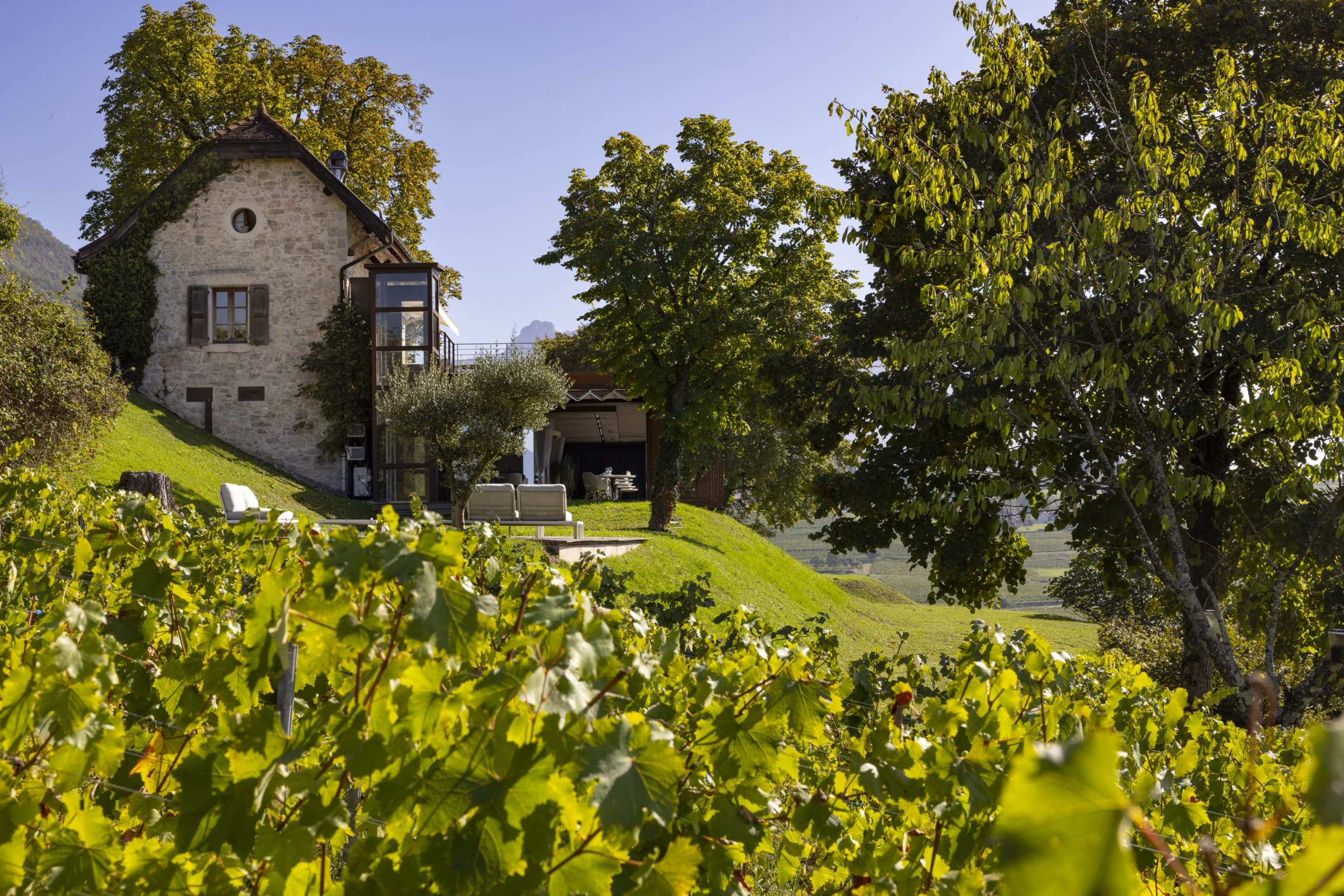
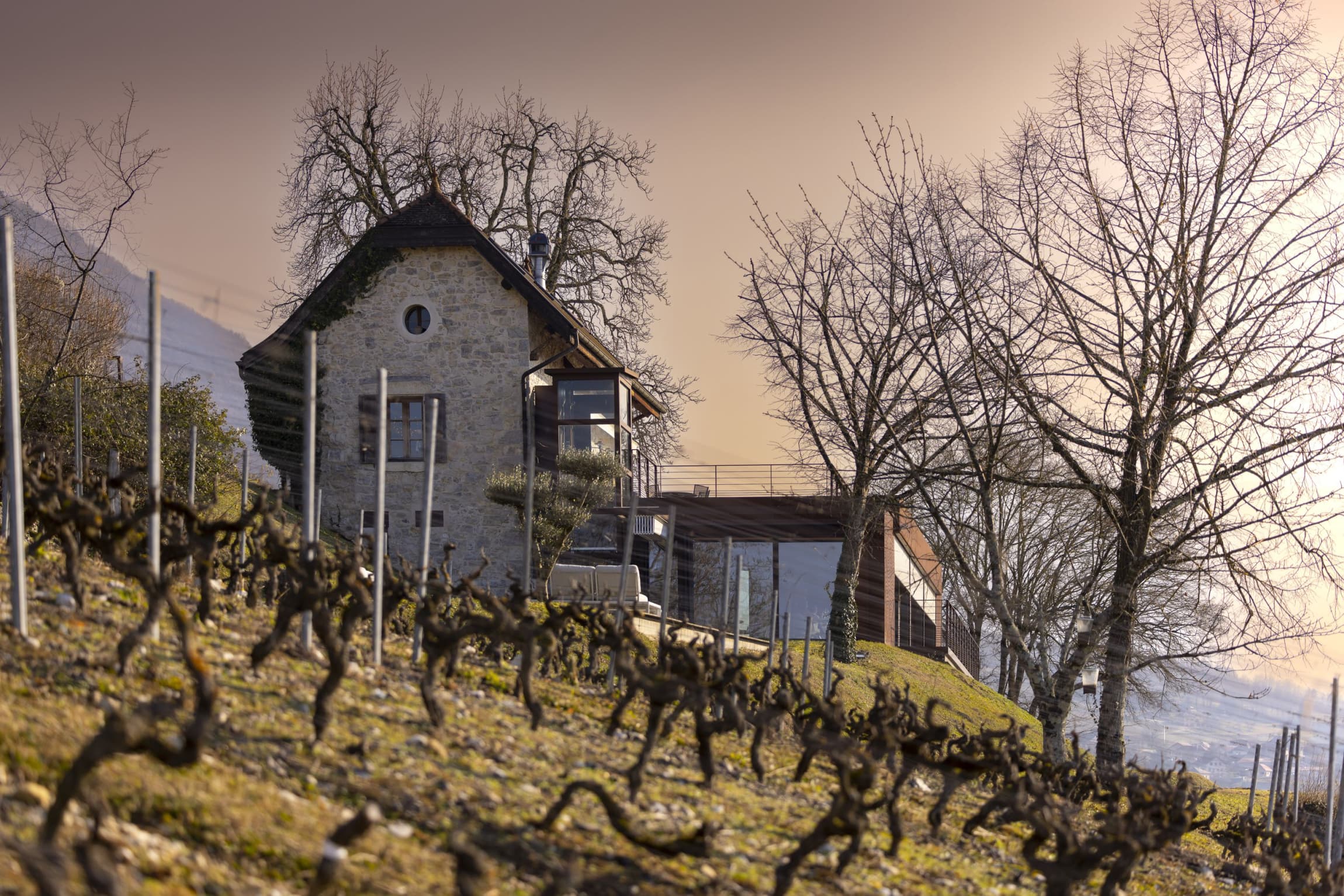
A nineteenth-century stone cellar (originally for wine, truffles and mushrooms) opened on its valley side into a long glass dining room
Kitchen
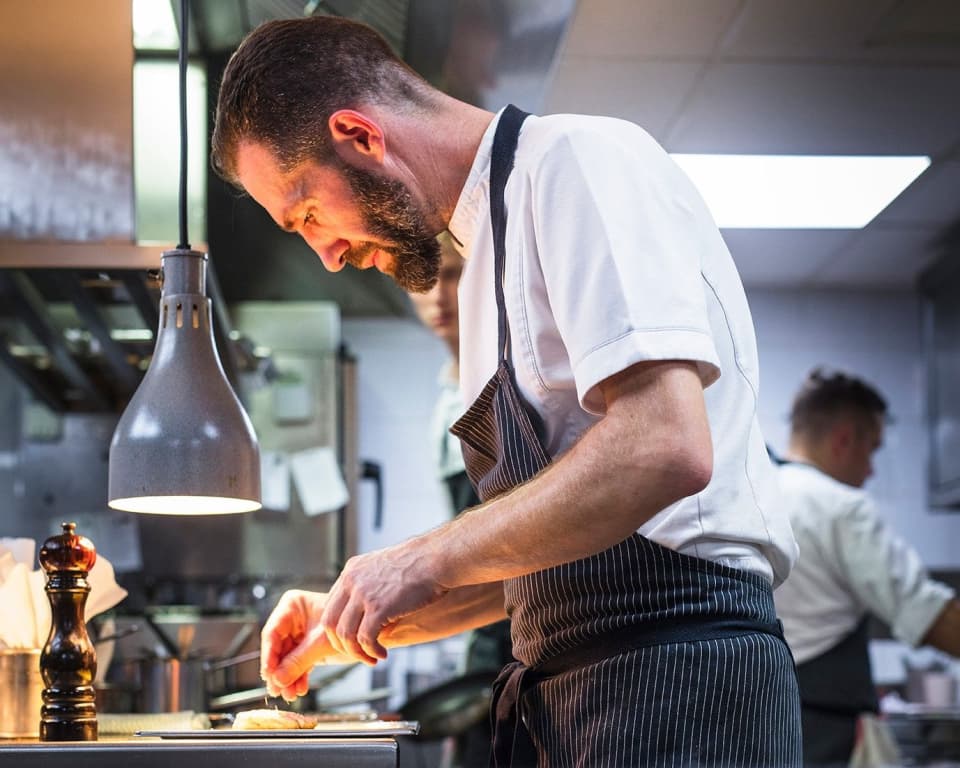
Michaël Arnoult — Savoyard cooking through freshwater fish, lake crayfish, vegetables from the kitchen garden and the chef's salt crust
Floor
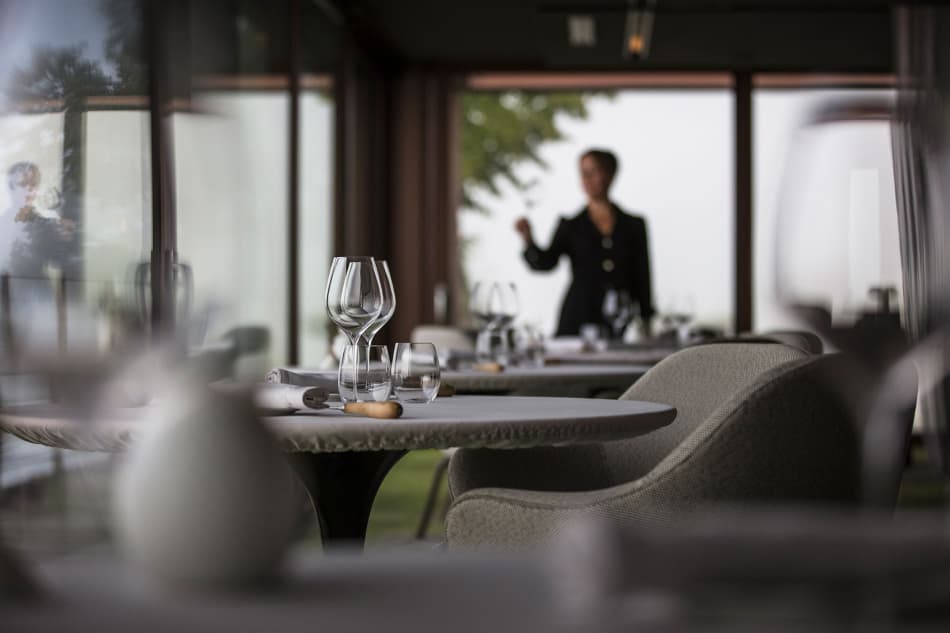
Ingrid Arnoult — dining-room director and the second of the two names above the door
Stars
First Michelin star 2007, second 2012 — kept ever since
Format
Two tasting menus — Découverte (€220) and Expérience (€280) — Thursday lunch through Sunday dinner
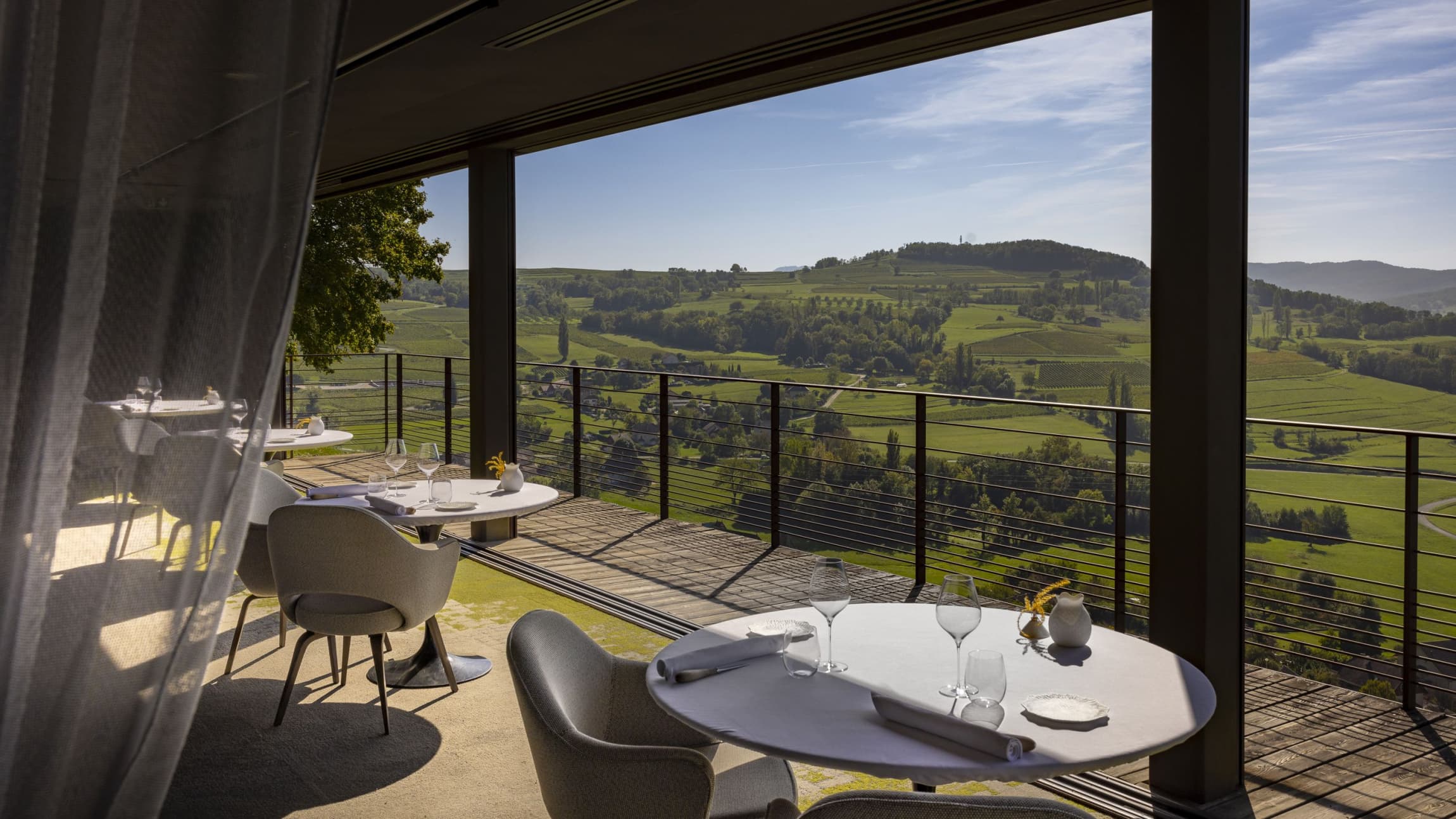
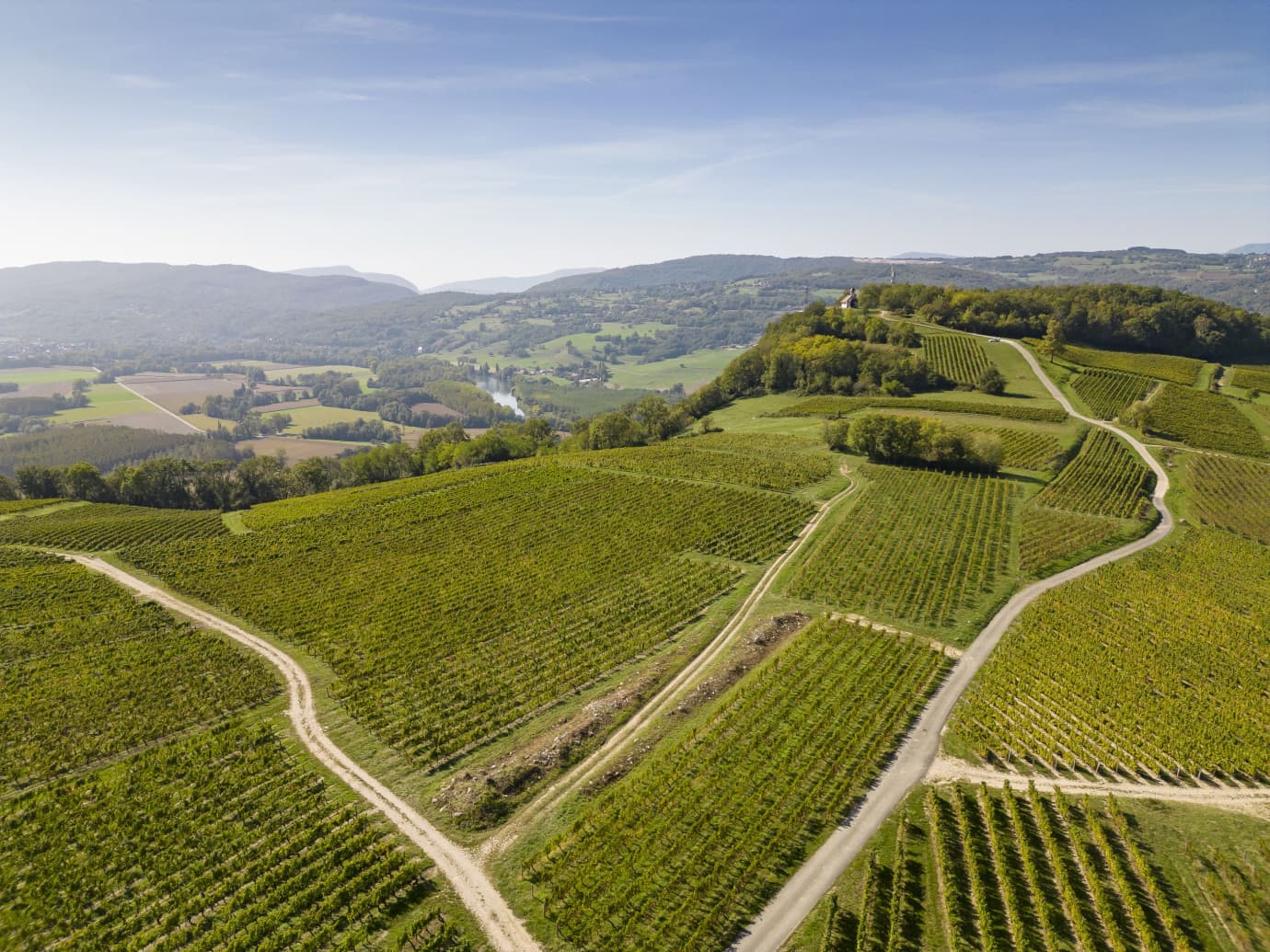
Les Morainières sits a hundred metres above Jongieux, halfway up the steepest face of the Marestel — Savoie's oldest cru, a single south-facing slope of altesse vines that reads its day from the lake at dawn to the Mont du Chat at dusk. The building was a vigneron's cellar in the eighteen hundreds; wine on one floor, truffles and mushrooms in the rooms beneath. Michaël and Ingrid Arnoult bought it in 2005, kept the stone shell and the underground cellar, and added a long glass dining room that steps out of the slope on the lake side.
“
The luxury is eating what grows next to the house.
”
Michaël Arnoult
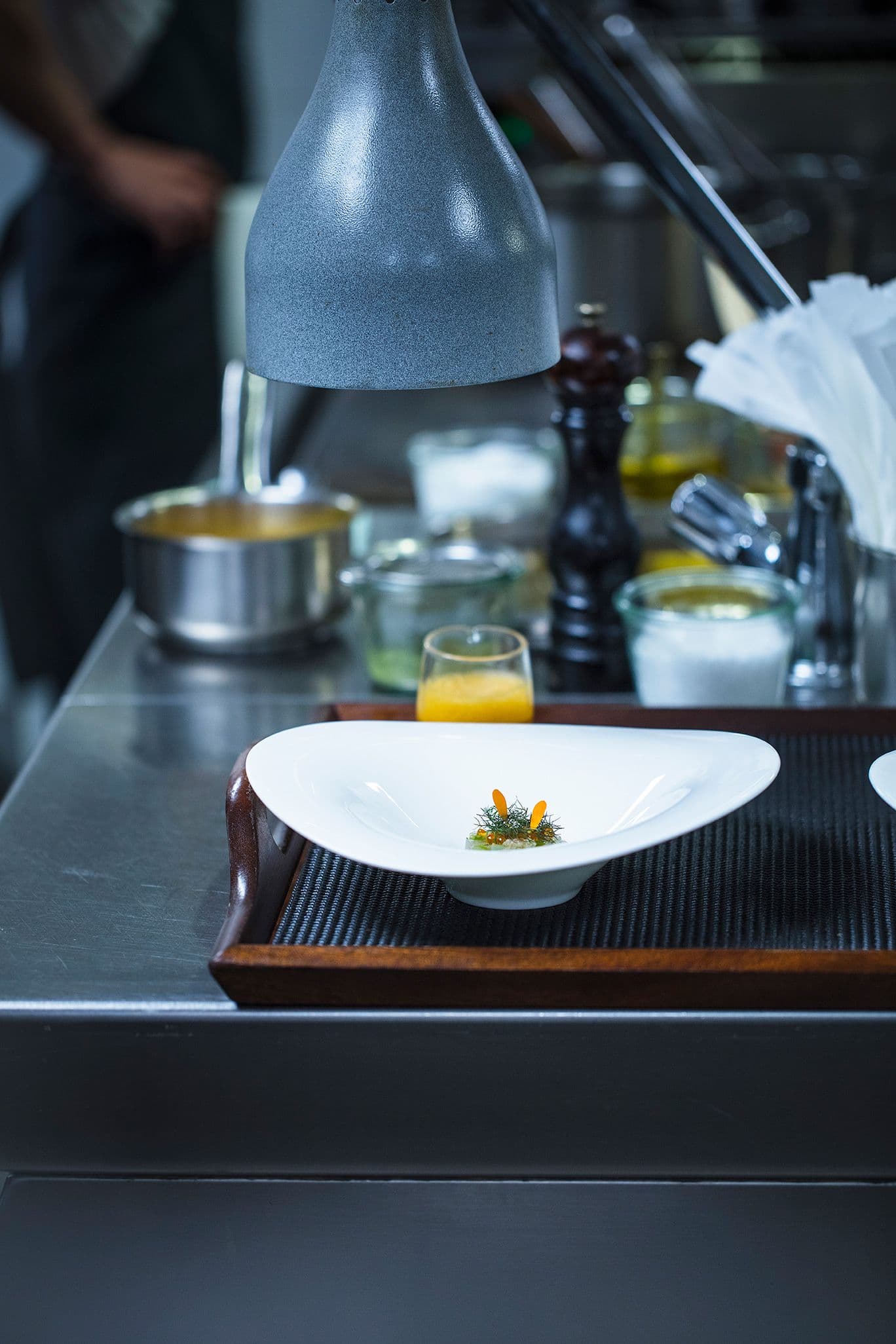
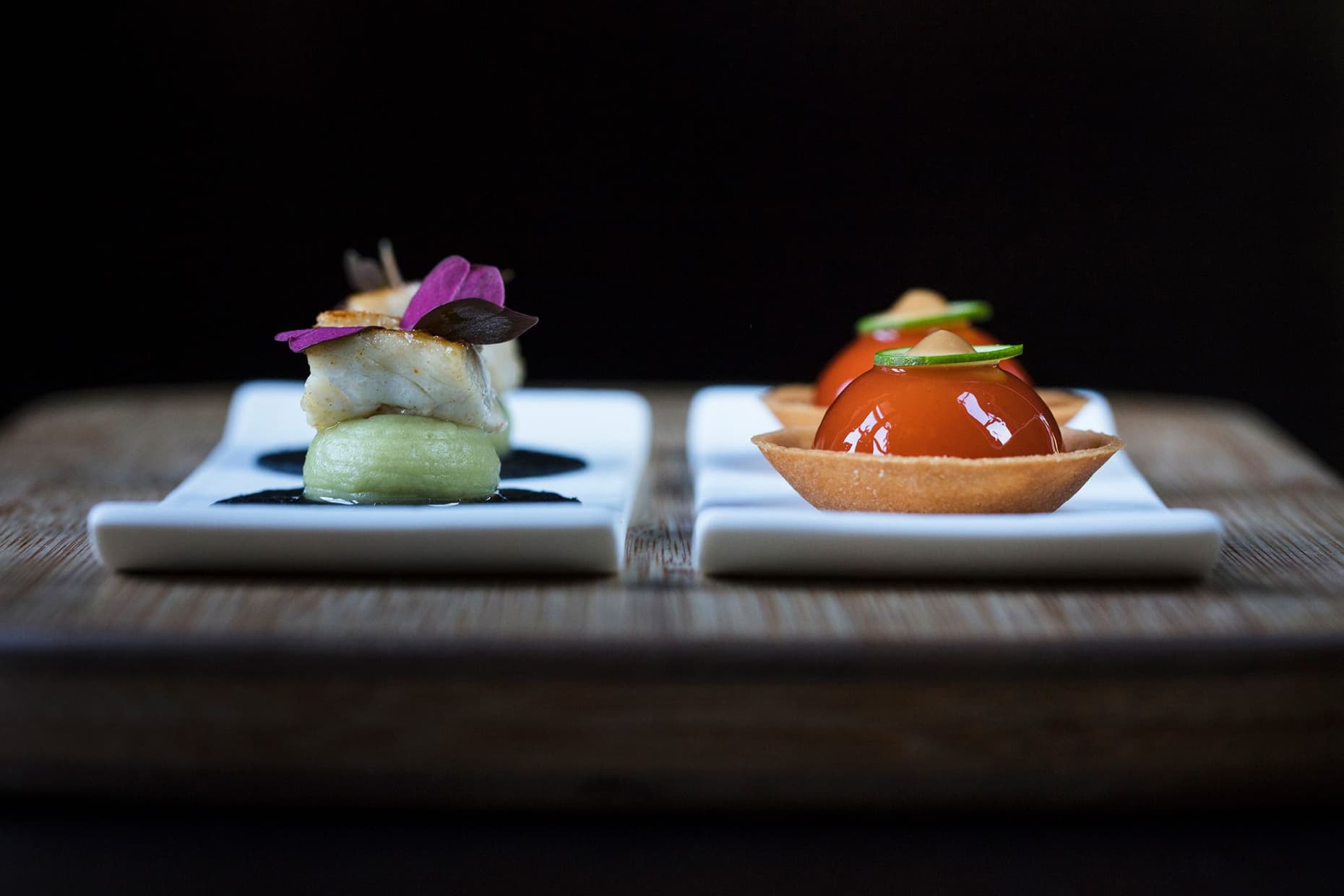
Michaël runs the kitchen on freshwater — perch and pike from the Bourget, crayfish from the same lake, the river fish that make Savoyard cooking different from the Lyonnais and the Rhône-Alpine. Vegetables are mostly his own, from a kitchen garden on the upper terrace; the salt crust is the technique he is best known for, used on lake fish and beet and on game in season. The two menus — Découverte at €220 and Expérience at €280 — are written morning by morning against what the producers bring in, and the chef holds the courses to a clear arc rather than letting them stretch.
Ingrid runs the dining room and the wines. The cellar reads as a love letter to the local appellation — every Roussette de Savoie worth pouring, the better Mondeuses, the Jacquère whites kept for fish — but it widens through Burgundy and the Jura before it stops. Lunch is served from twelve-fifteen, dinner from seven-thirty, Thursday through Sunday; the house closes a single week each spring, between late April and early May. Six rooms wait five minutes down the road at the Maison des Morainières in Saint-Pierre-de-Curtille — the right way, in the end, to take a long lunch into a long evening.
Signature moments
01
Two who arrived in 2005
Michaël Arnoult left the Montargis hotel school in 1996, cooked his way through Romantica in Paris, La Châtaigneraie outside Nantes and Oakley Court in Windsor — where he met Ingrid — and then put four years in under Emmanuel Renaut at Les Flocons de Sel as second-in-command. He and Ingrid took on Les Morainières in 2005, the year they were married. The first Michelin star arrived in 2007, the second in 2012, and the same two names have been above the door ever since.
02
A dining room with a single view
The dining room runs the length of the building's south face. A wall of full-height glass opens on a slope of vines that drops to Lac du Bourget on one side and the Rhône valley on the other; the Chapelle Saint Romain catches the last sun on a far rise. There are seven or eight tables, each turned to the view by ninety degrees, and Ingrid runs the floor herself — a small black silhouette moving between the glasses.
03
A house in the oldest cru in Savoie
Marestel is the oldest cru in Savoie, a single steep slope of altesse vines that look due south across the lake. Les Morainières sits a little above the village, in what was once a working vigneron's cellar — wine on one floor, truffles and mushrooms in the rooms below. The Arnoults kept the stone shell and the cellar; everything else is built around the slope. The kitchen garden is on the upper terrace. The producers — fish from the Bourget, vegetables, cheese, partridge and pork from Bauges and Chartreuse — are mostly within an hour's drive. The chef's working line, when asked, is that *the luxury is eating what grows next to the house*.