A three-Michelin-star chalet in the hamlet of Le Leutaz above Megève — Emmanuel and Kristine Renaut's table since 1998 and at this address since 2008, the cuisine cut from lake…
The verdict
A pine-clad chalet on a south-facing meadow above Megève, kept by Emmanuel and Kristine Renaut since 1998 and at this address since 2008. Three Michelin stars since 2012, a *Meilleur Ouvrier de France* in the kitchen, and a cuisine that reads the mountain in low gear — lake fish, salt crust, and the herb pulled out of the slope that morning.
From the editors · Vedere House
The particulars
Setting
1775 Route du Leutaz, in a quiet hamlet above Megève at 1300m, opening on a south-facing meadow and the Aravis ridge
Architecture
A new-built Savoyard chalet in pale pine — main dining room, a smaller cuckoo-clock alcove, and eight chalet rooms across the meadow
Kitchen
Emmanuel Renaut — Meilleur Ouvrier de France 2004, three Michelin stars since 2012; a kitchen built on lake fish, salt crust and foraged mountain botany
Floor
Kristine Renaut — co-owner since 1998, in the room
Cellar
Savoie and the Jura first, with a deep Rhône and Burgundy bench for the table that wants them
Best for
A long winter dinner, snow at the windows, fish from the Léman on the plate
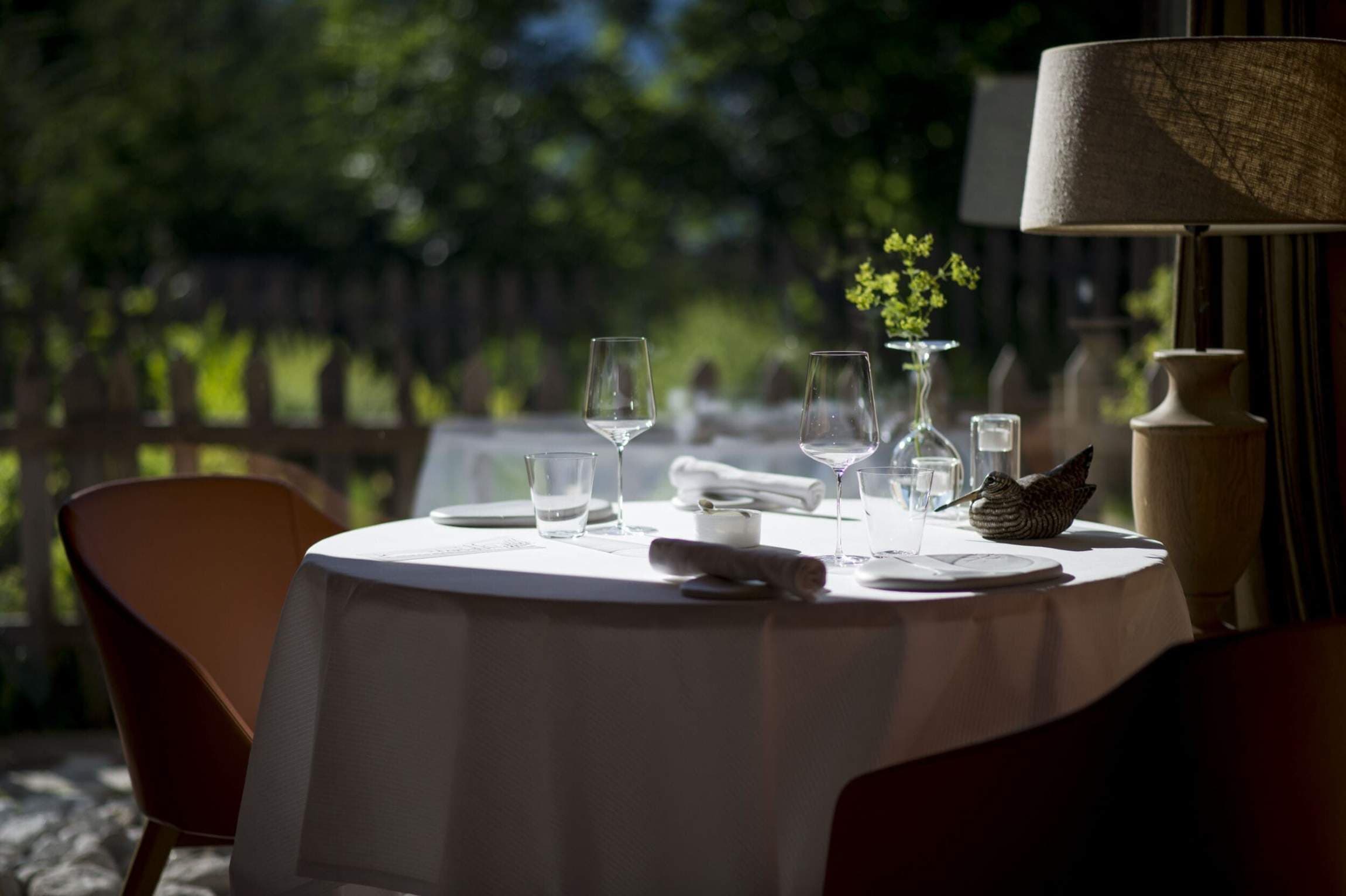
Flocons de Sel sits in Le Leutaz, a small hamlet of working farms and chalets above Megève, on a south-facing meadow looking down at the Aravis ridge. Emmanuel and Kristine Renaut opened the first Flocons in the village centre in 1998 and moved the kitchen to this purpose-built chalet in 2008. The first Michelin star arrived in 2003, the second in 2006, the third in 2012; the chef was made Meilleur Ouvrier de France in 2004. The room has held all three since without changing tense.
“
On cuisine la montagne — pas la haute cuisine de la montagne.
”
Emmanuel Renaut
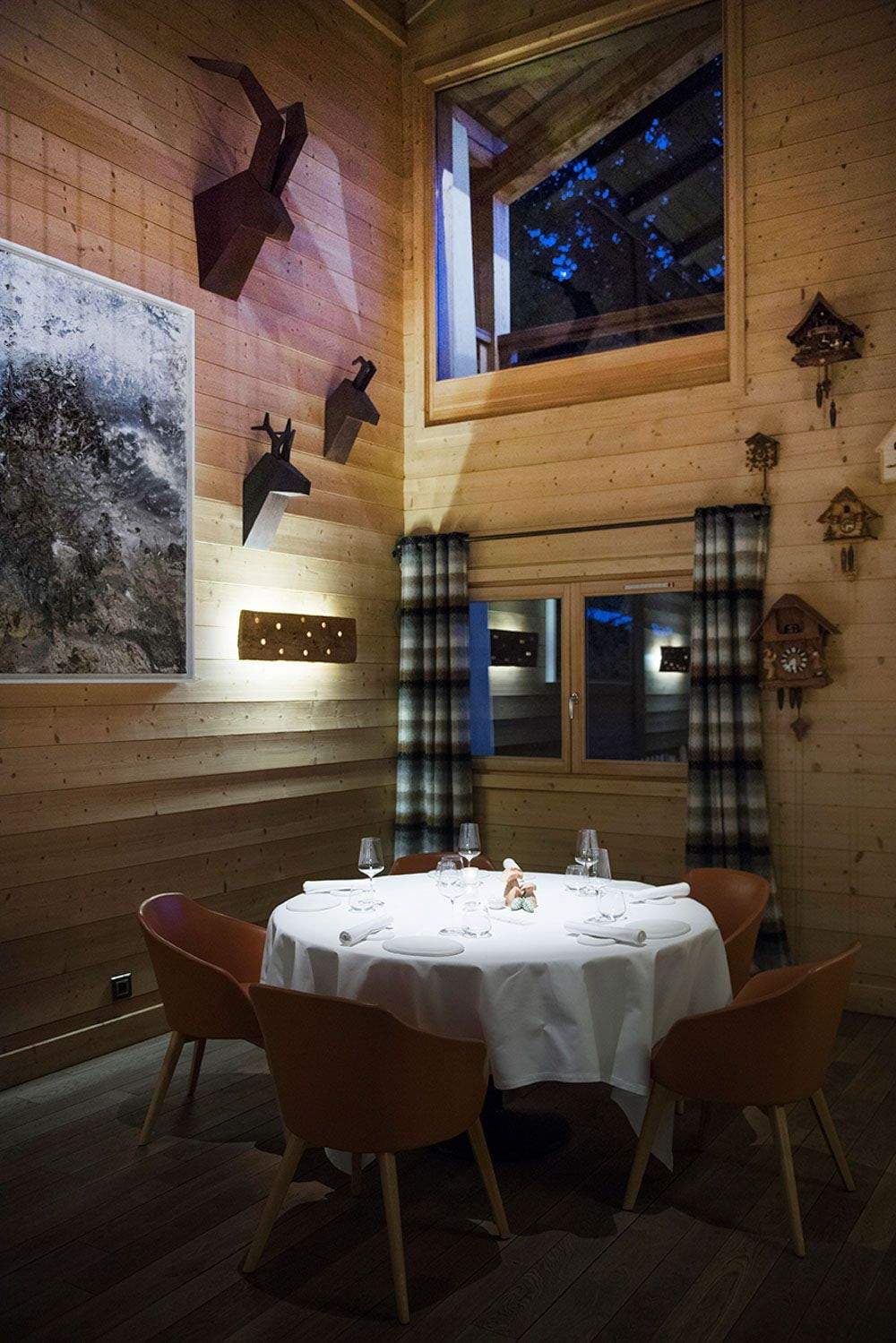
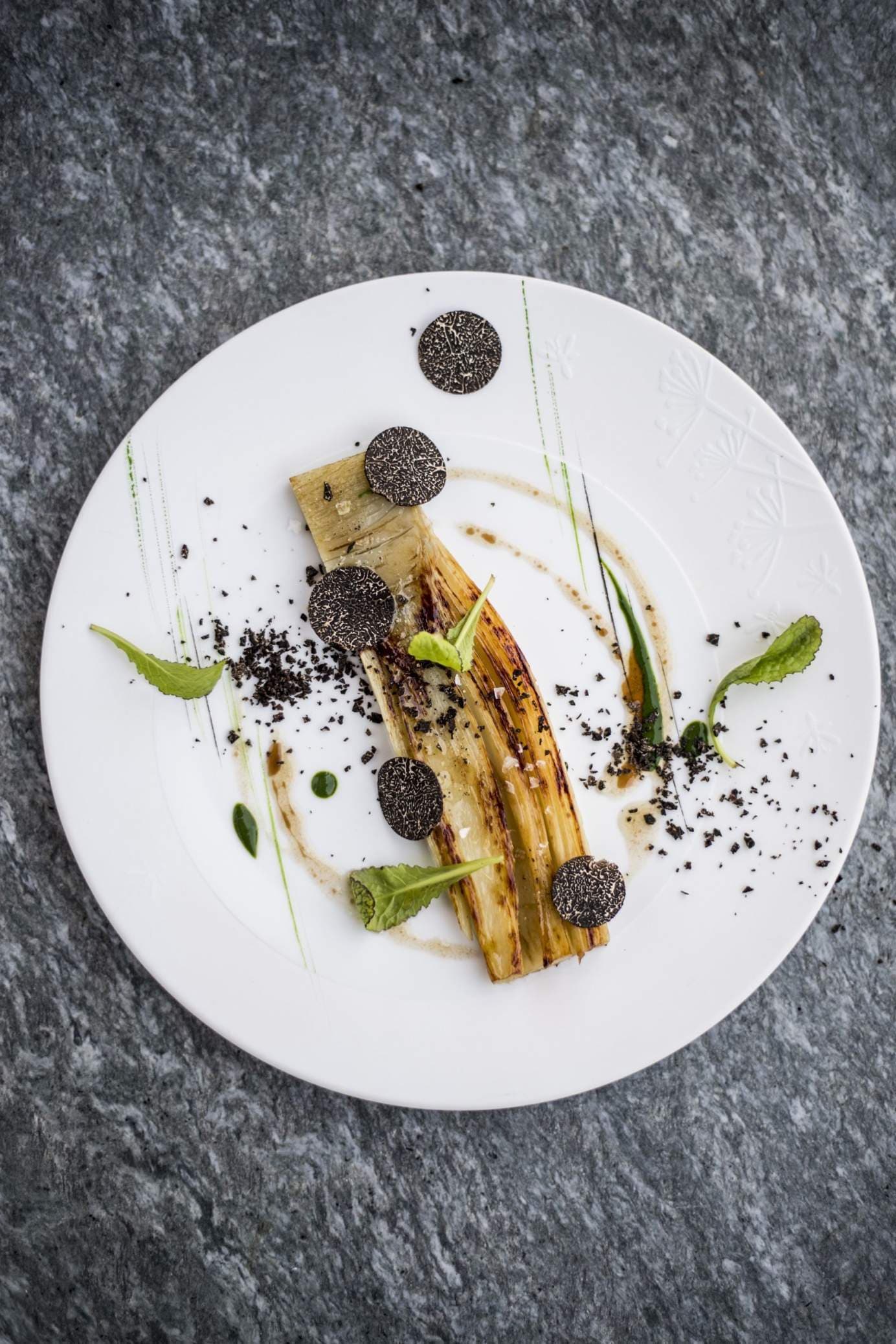
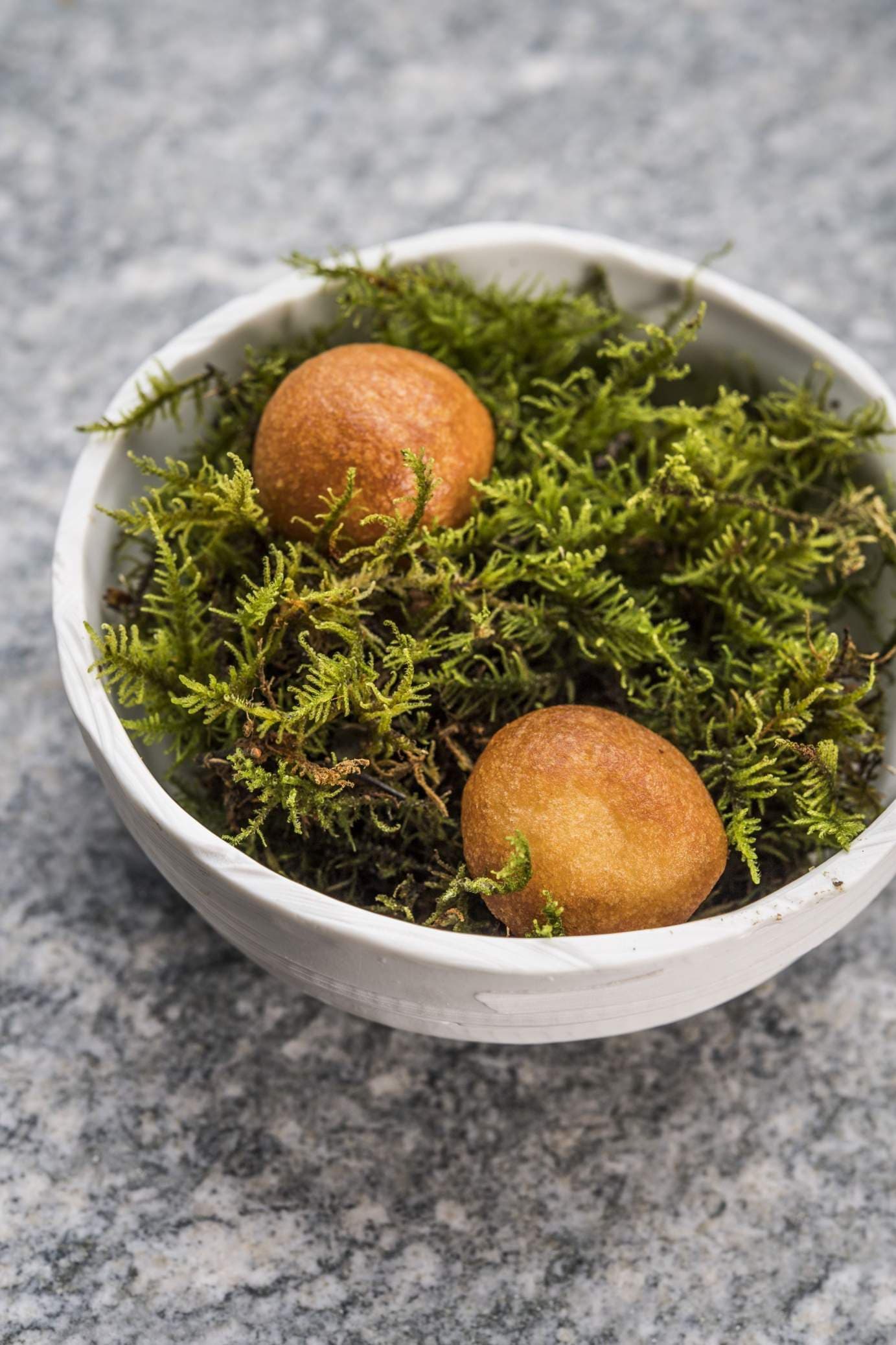
The cuisine is alpine in the strict sense — pike and féra from Lac Léman, perch and crayfish from the Bourget, mountain herbs walked in from the slope behind the kitchen, and the salt-crust cooking the chef built his reputation on, used on lake fish, on root vegetables, on Bresse pigeon when the bird is right. The dining room is long and low and clad in pale pine; a smaller alcove off it holds a wall of cuckoo clocks and a row of iron chamois the chef has collected for years. The carte is short — two tasting menus and a working à la carte — and the room runs through dinner without forcing the pace.
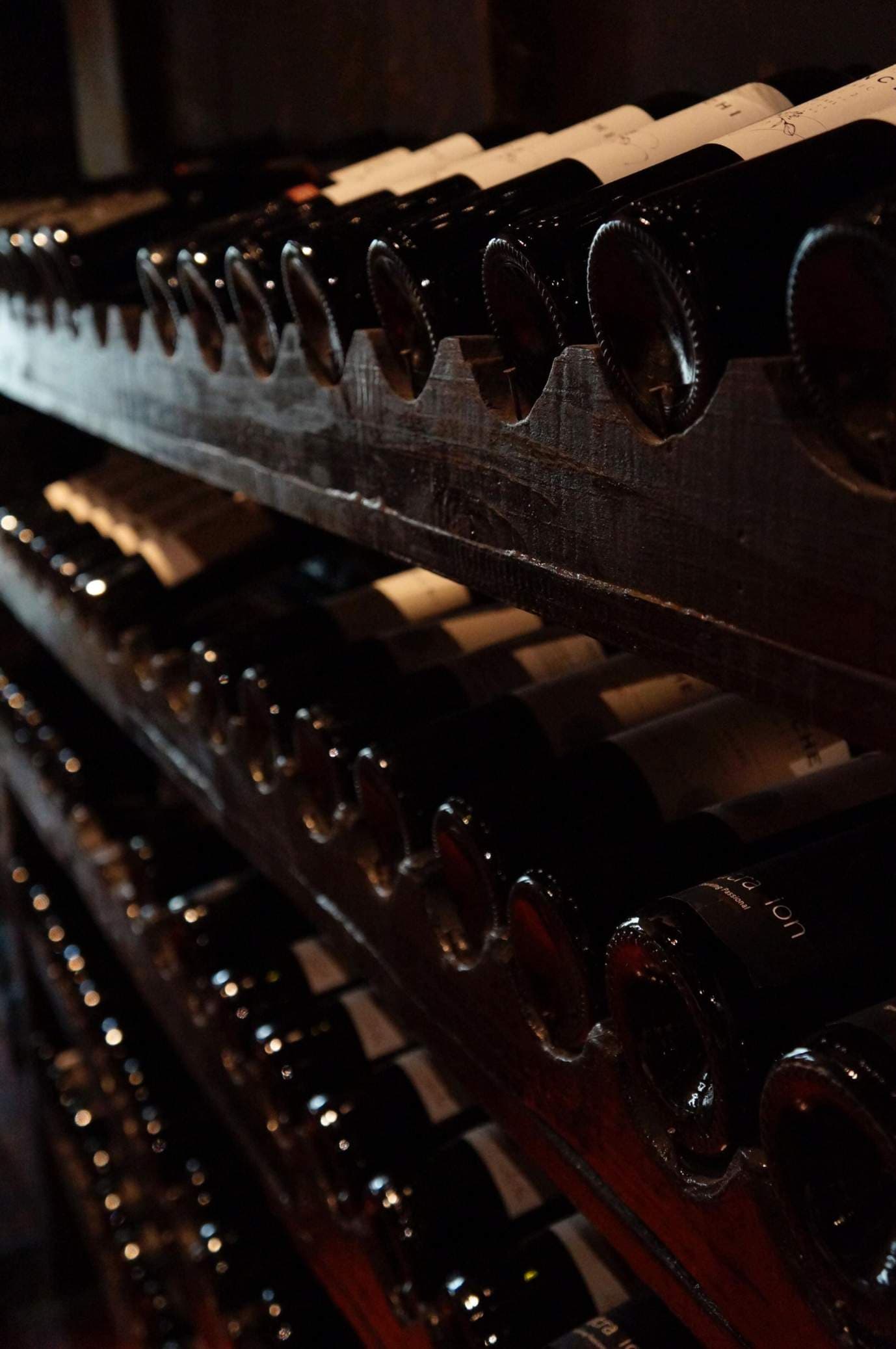
The cellar is Savoie and the Jura in priority, with a long Rhône and Burgundy bench and the better Champagnes for the table that wants them; Mondeuse and Jacquère by the glass, Roussette de Savoie by the bottle. The chalet itself takes the dinner into the next morning — eight pine-clad rooms and mazots across the meadow, a small spa on the lower floor, breakfast served in the same pine room the night ended in.
Signature moments
01
Two who arrived in 1998
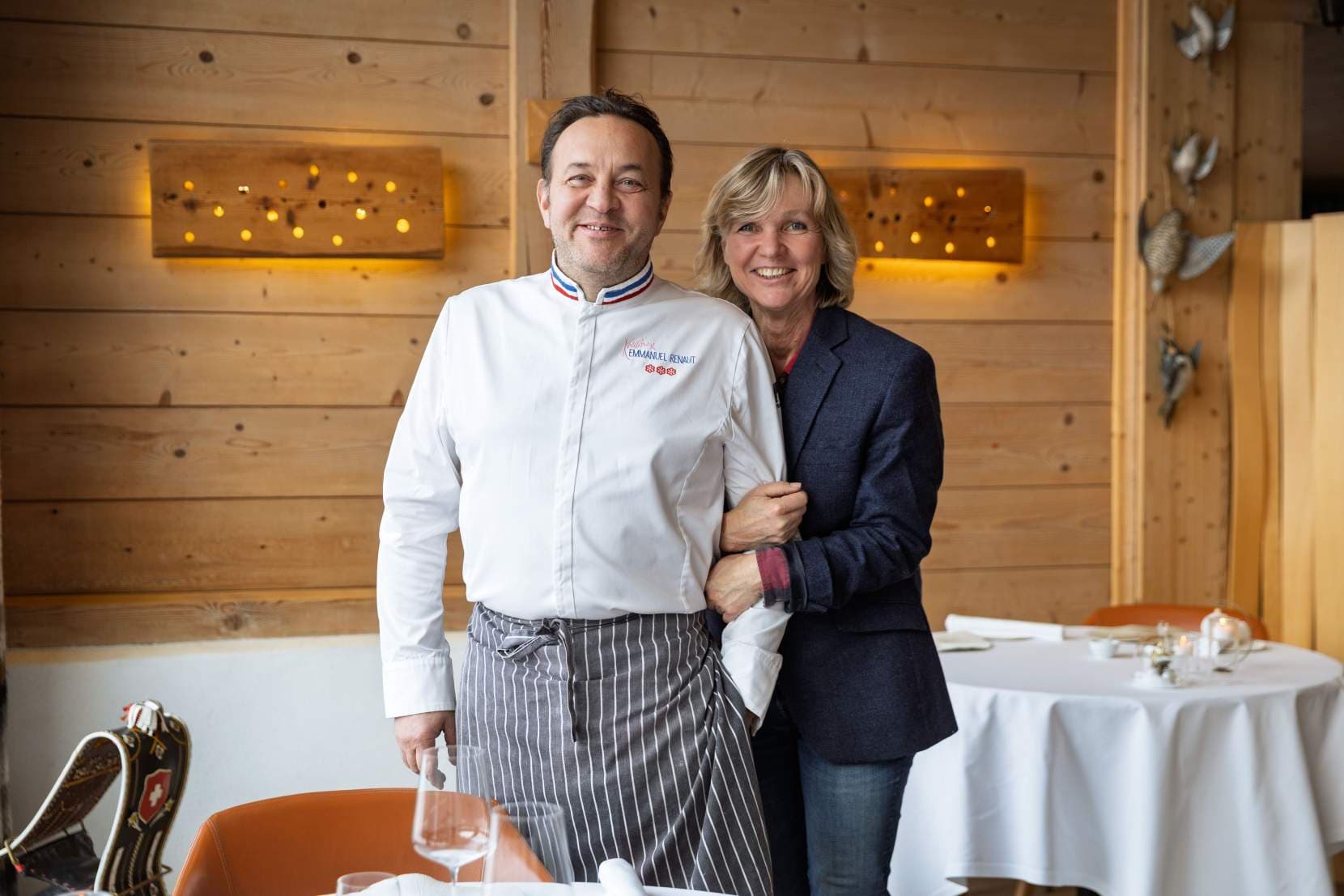
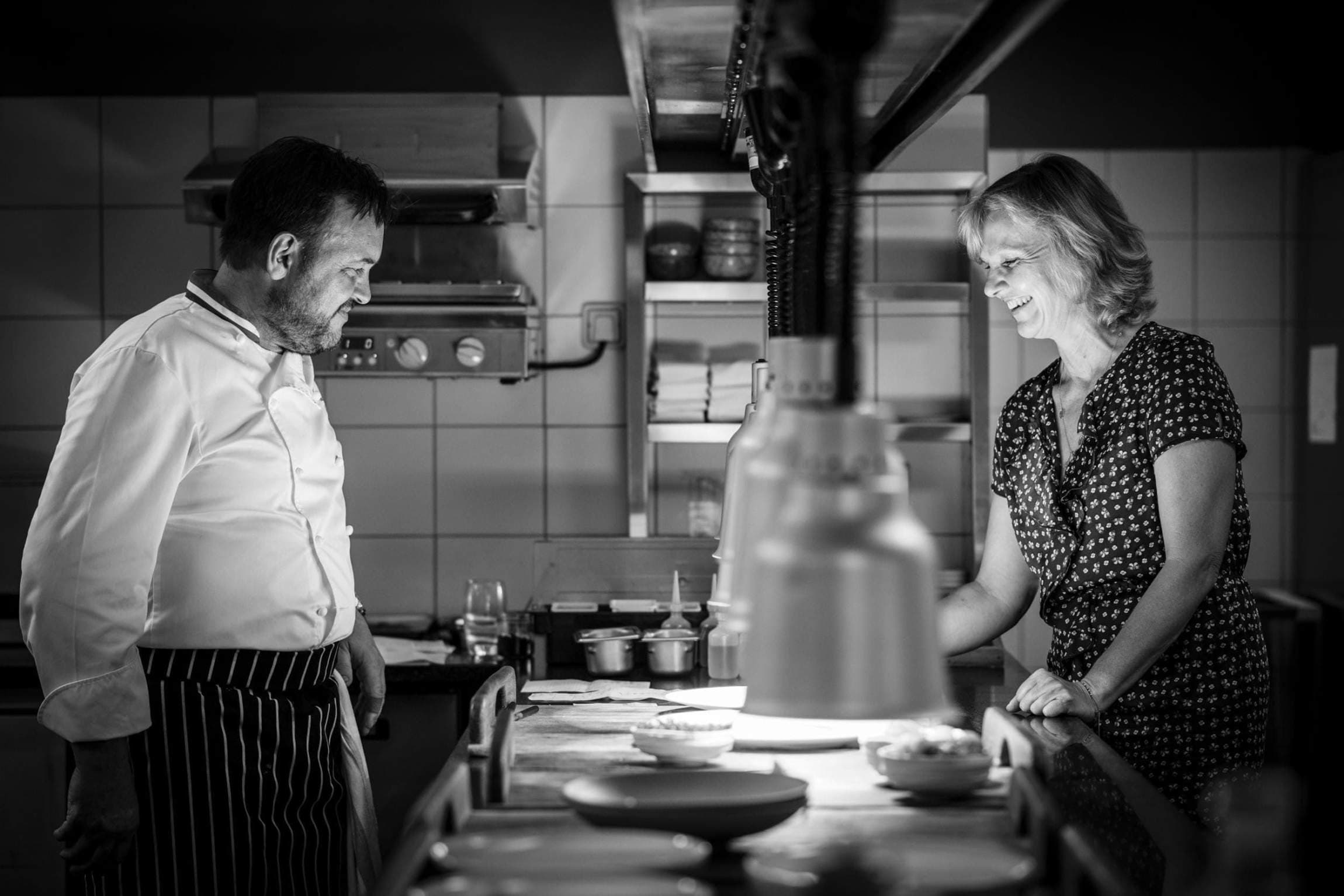
Emmanuel Renaut left Saint-Cloud for Bocuse, then four years under Marc Veyrat at the Auberge de l'Eridan and a season at Claridge's in London before he and Kristine opened Flocons de Sel in the village in 1998. The first Michelin star arrived in 2003, the second in 2006, the third in 2012; he was made *Meilleur Ouvrier de France* in 2004. The two of them have run the room together for the whole of it — Emmanuel's name on the chef's collar, Kristine's hand on the floor.
02
The biscuit, the watercress, the caviar
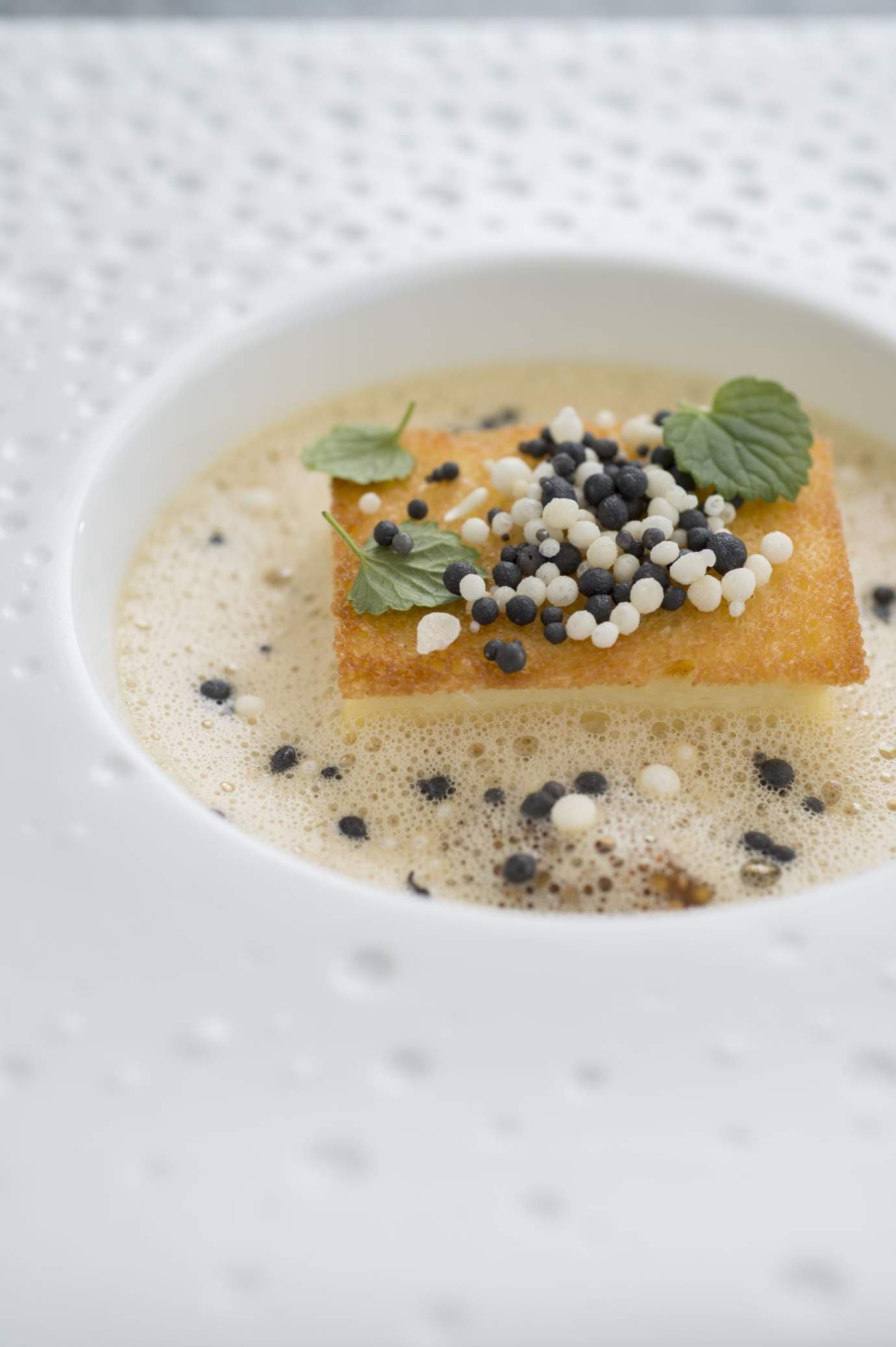
A pale square of pike biscuit floats on a watercress velouté, dressed with black caviar and a few green beads of foam. The dish has been on the carte since the early stars and is the one most often photographed — *brochet du Léman, mousse de cresson de fontaine, caviar* — a quiet declaration that this is alpine cooking that knows it sits beside a lake.
03
A small alcove in the chalet
The dining room is mostly the long pine-walled room turned to the meadow; the second room is smaller — three or four tables, a wall of cuckoo clocks, iron-cut chamois and ibex on the planks, and a black-and-white photograph of a Mont Blanc face. The chef collects clocks and ironwork the way the kitchen collects herbs, and the smaller room is where it shows.