Vedere House
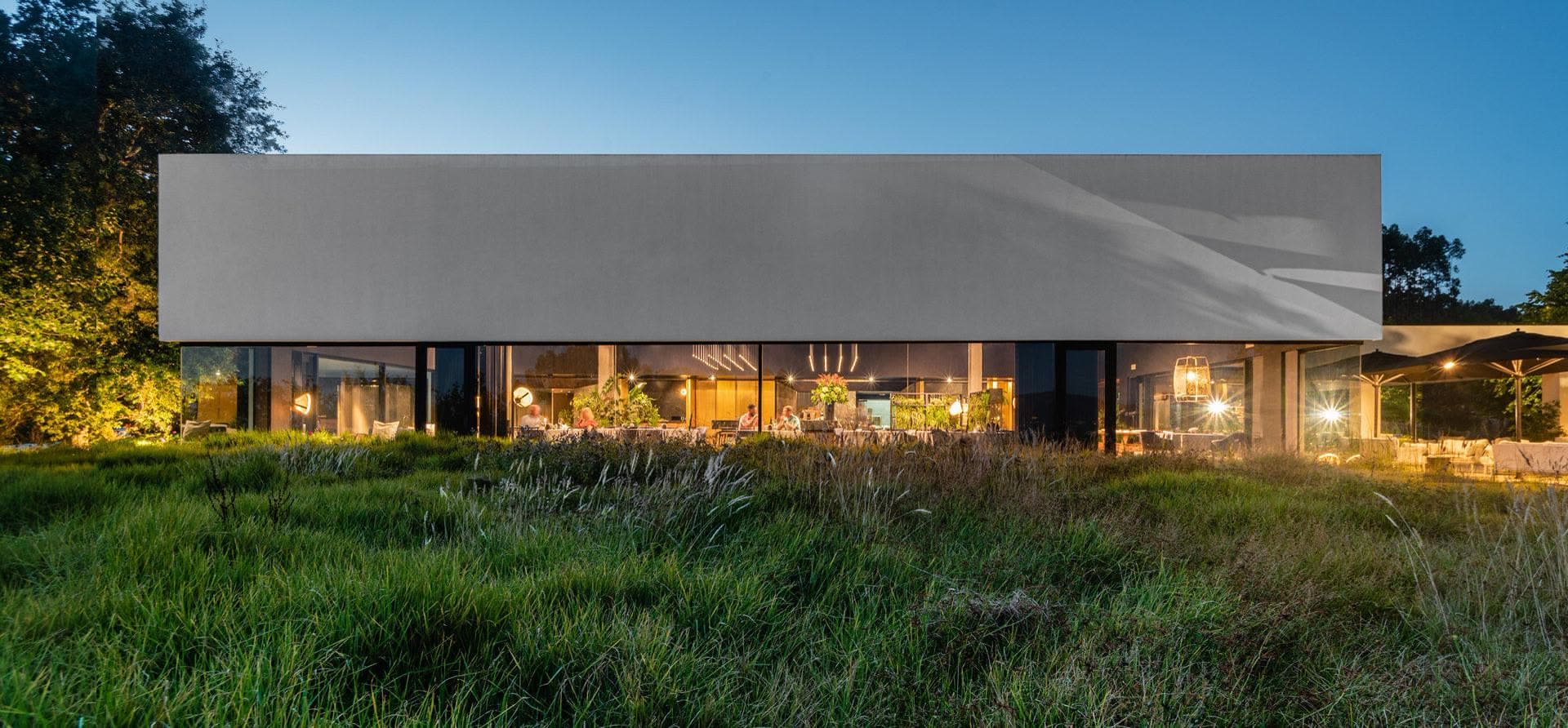
The long flat-roofed Pepe Vieira pavilion at twilight, lit from within and set in tall grass at the edge of the Galician woods.

Galicia · Spain

Hotel Pepe Vieira

Fourteen woodland galpones above the Ría de Pontevedra, behind a two-Michelin-star kitchen written from the Atlantic edge — a Galician landscape hotel from chef Xosé T. Cannas.

The verdict

A landscape hotel above the Atlantic edge of Galicia, fourteen modern cabins set among eucalyptus and oak, built behind a kitchen that has spent twenty years writing from the same coast. Restraint at every scale — architecture, plate and pace.

From the editors · Vedere House

The particulars

Style
Modern landscape hotel — fourteen freestanding cabins (galpones) set into the woodland
Estate
A wooded hill above Raxó in the parish of Poio, twenty-five kilometres from Santiago de Compostela
Rooms
Fourteen suites, each a single cabin with a wide picture window onto the eucalyptus
Kitchen
Two Michelin stars, helmed by chef Xosé T. Cannas — Galician cuisine at its furthest western edge
Tagline
“A última cociña do mundo” — the last kitchen of the (old) world
Recognition
Two MICHELIN Keys for the hotel; Relais & Châteaux member
Best for
A two- or three-night detour from Santiago, paired with the Rías Baixas albariños next door
Season
Open across the year; the woods at their most legible from May through October

Hotel Pepe Vieira sits on a wooded hill above the village of Raxó, in the parish of Poio, on the inner shore of the Ría de Pontevedra. The road climbs from the water through eucalyptus and oak, and the hotel arrives quietly — a single low concrete pavilion at the top, fourteen separate cabins scattered through the trees on the way up.

The kitchen has been here longer than the rooms. Chef Xosé T. Cannas — known to the locals as Pepe Vieira — has cooked from this hill for twenty years, and the dining room behind the pavilion's glass wall holds two Michelin stars. The menu reads from the western edge: Atlantic at the door, Rías Baixas vines behind, the deep Galician forest the road climbed through. The house tagline — a última cociña do mundo, the last kitchen of the (old) world — is the menu's literal address.

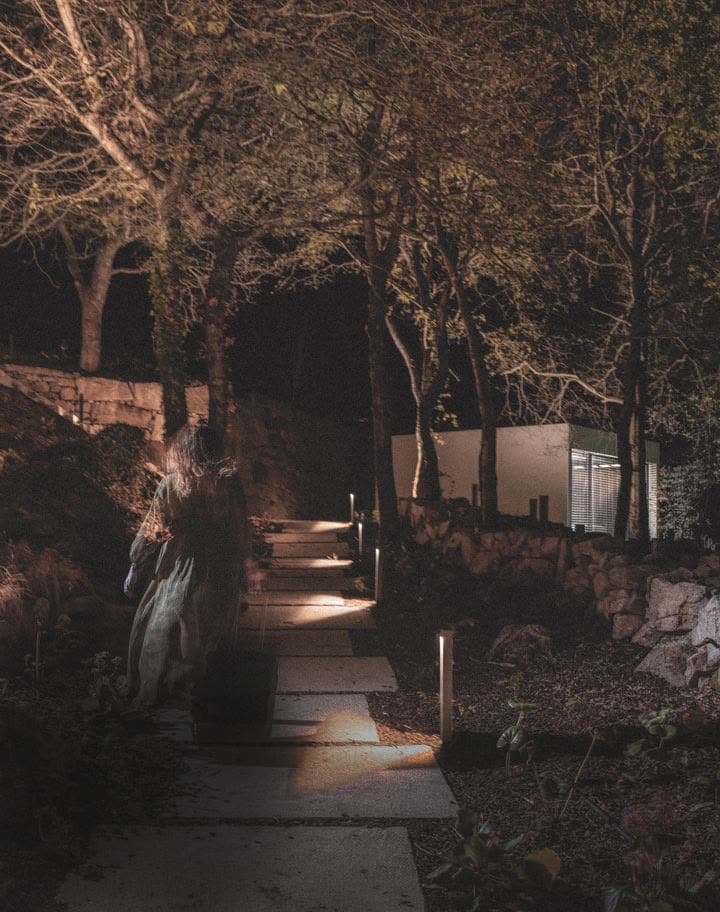
Each suite is a freestanding cabin (a galpón, in the local word for shed) set apart in the woodland. Inside, a low bed and a wide picture window holding a single tree; outside, a candle-lit stone path connecting the cabins to the pavilion at the top. Two nights is the right length — one to recover from the road, one to read the kitchen properly. Three if Santiago is also on the trip.

Signature moments

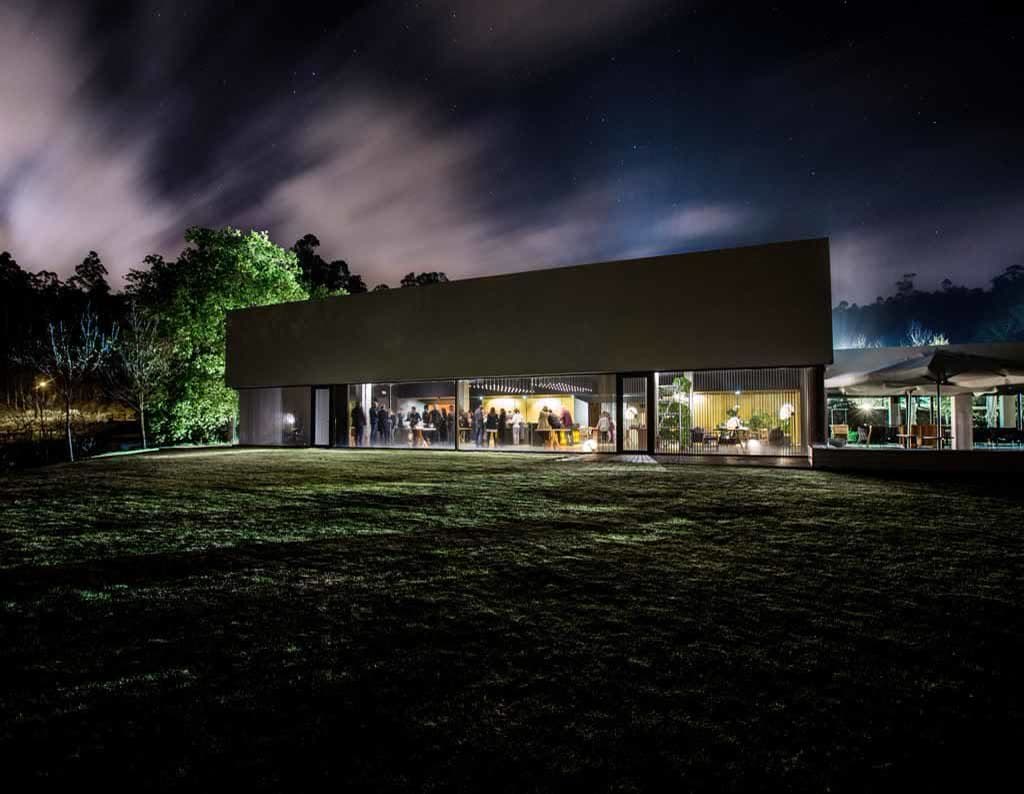
The Pepe Vieira pavilion seen at night under a darkening sky, the dining room glowing through tall glazing onto a lawn at the edge of the woods.

01

The pavilion at the edge of the woods

A single low building of dark concrete and full-height glass, set into a clearing above the ría. From outside, almost invisible by day; at dinner, a long lit room held inside the trees. The architecture stays out of the kitchen's way.

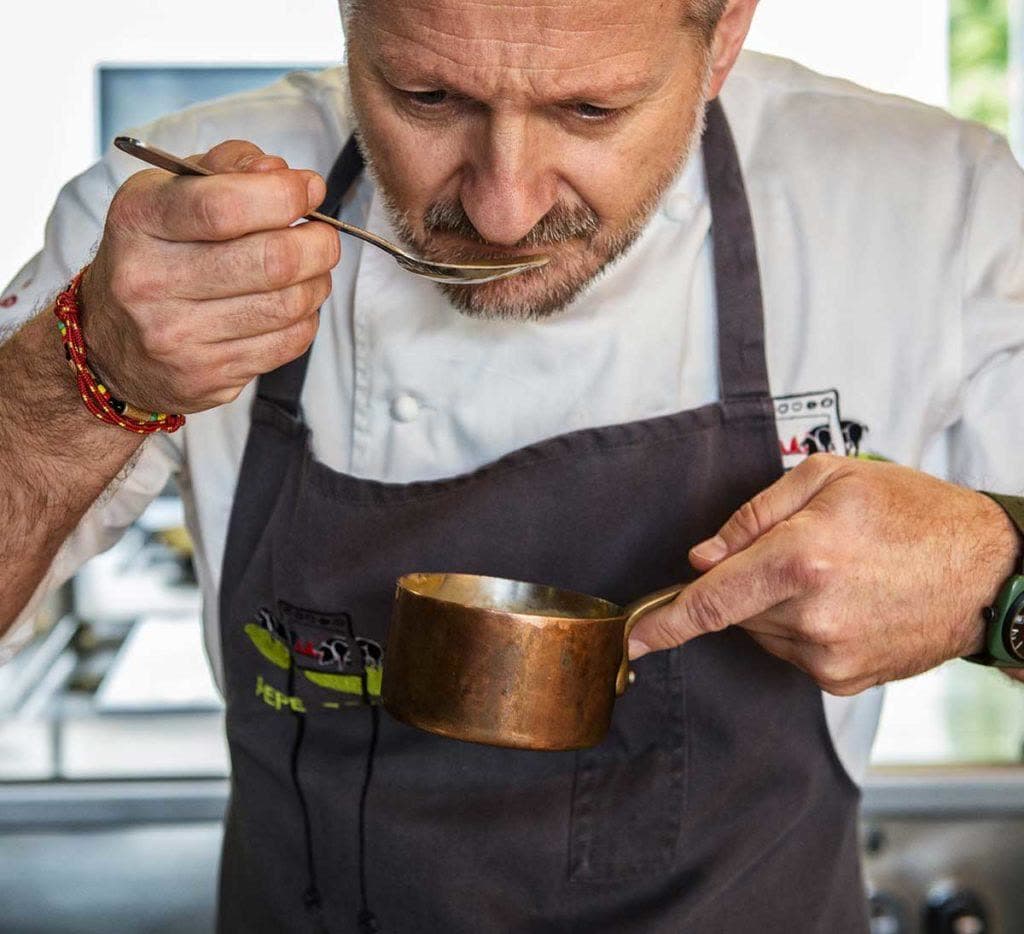
The chef tasting from a small copper pan in close view, grey apron and a quiet hand at the centre of the kitchen.

02

The last kitchen of the old world

Xosé T. Cannas — Pepe Vieira to the regulars — has cooked from this corner of Galicia for two decades. The menu reads from the Atlantic at the door, the Rías Baixas behind, and the long Galician forest the road climbs through. Two stars and the same hand on every plate.

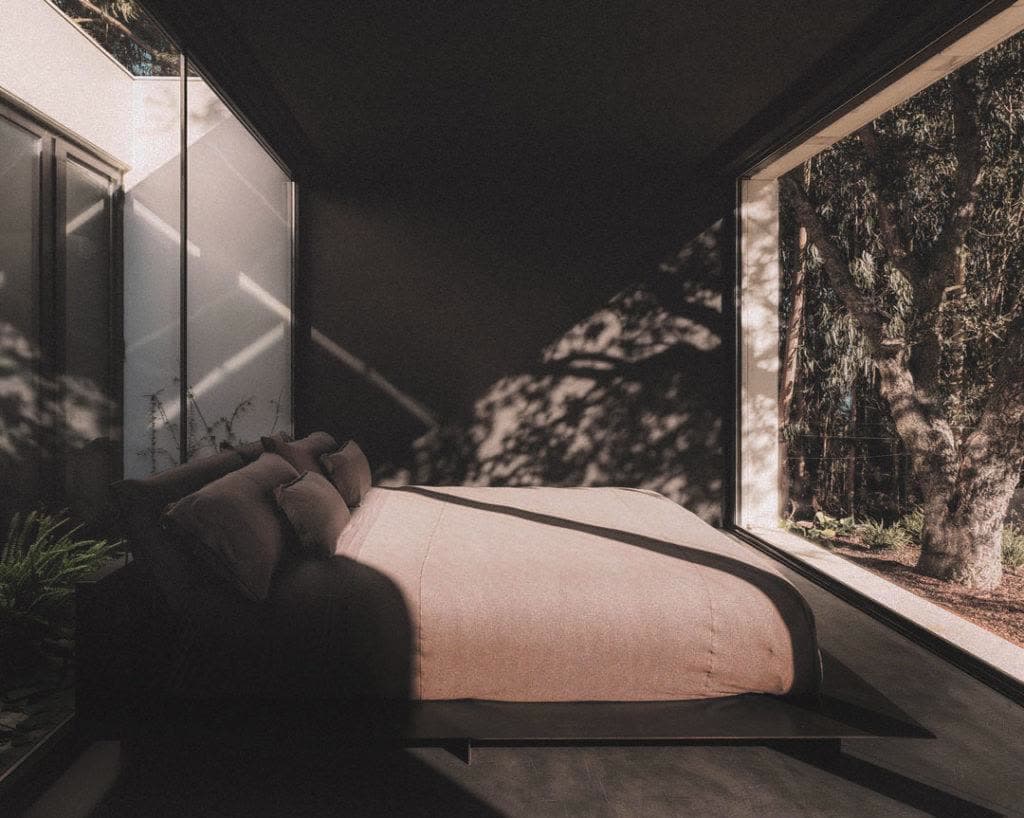
A dark cabin bedroom, low bed in muted linen, a tall window holding an old eucalyptus and the wood beyond.

03

A galpón in the trees

Each suite is a single cabin — a galpón — set apart in the woodland, built around a wide picture window that holds an eucalyptus or an oak in frame. Quiet inside; the room is the trees outside.

Inside the house

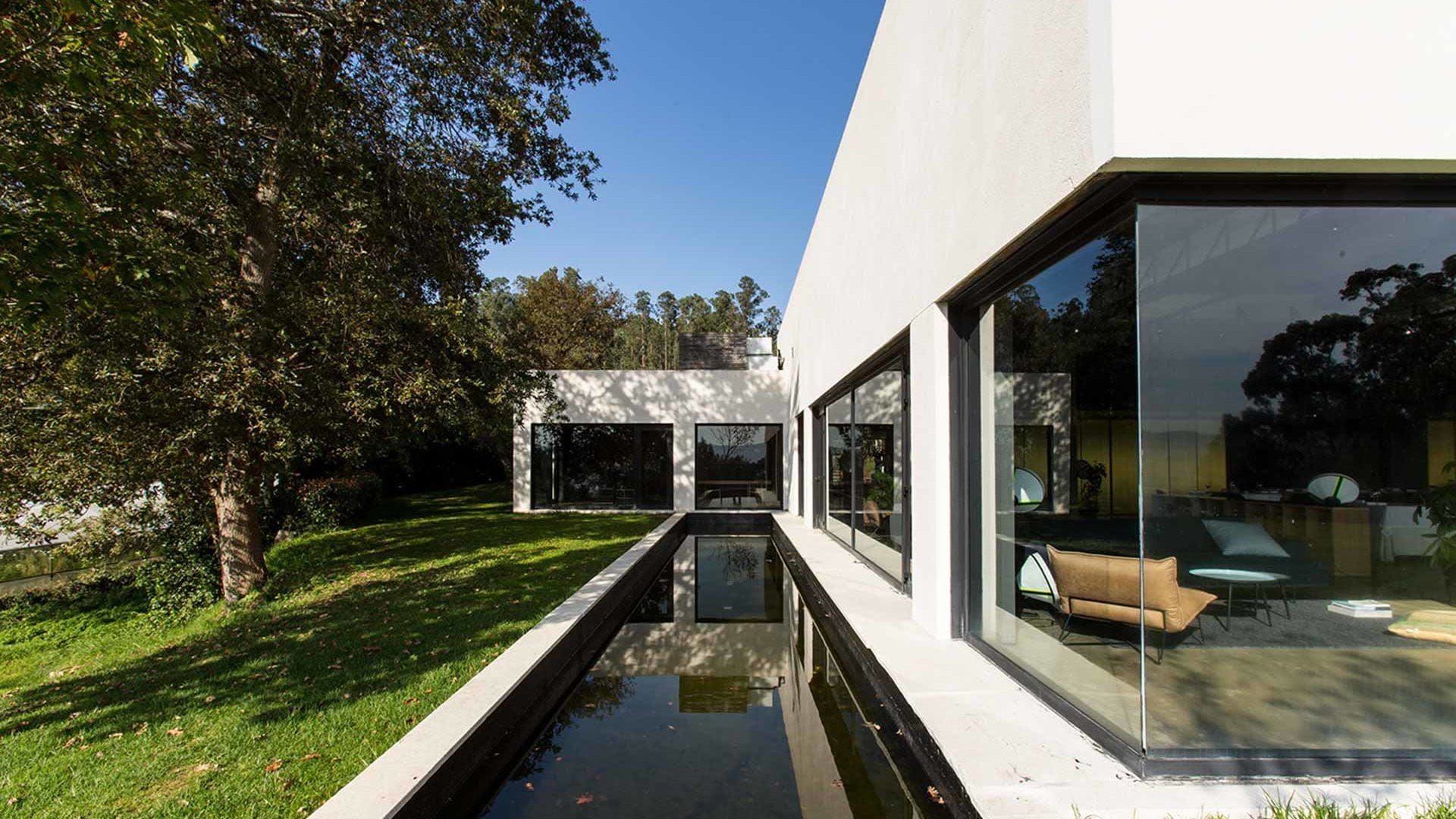
The pavilion seen by daylight from the side, a long reflecting pool below the glazing and the Galician woodland behind.
A guest in a long dress walking a stone path lit at intervals through the woods toward a lit galpón.
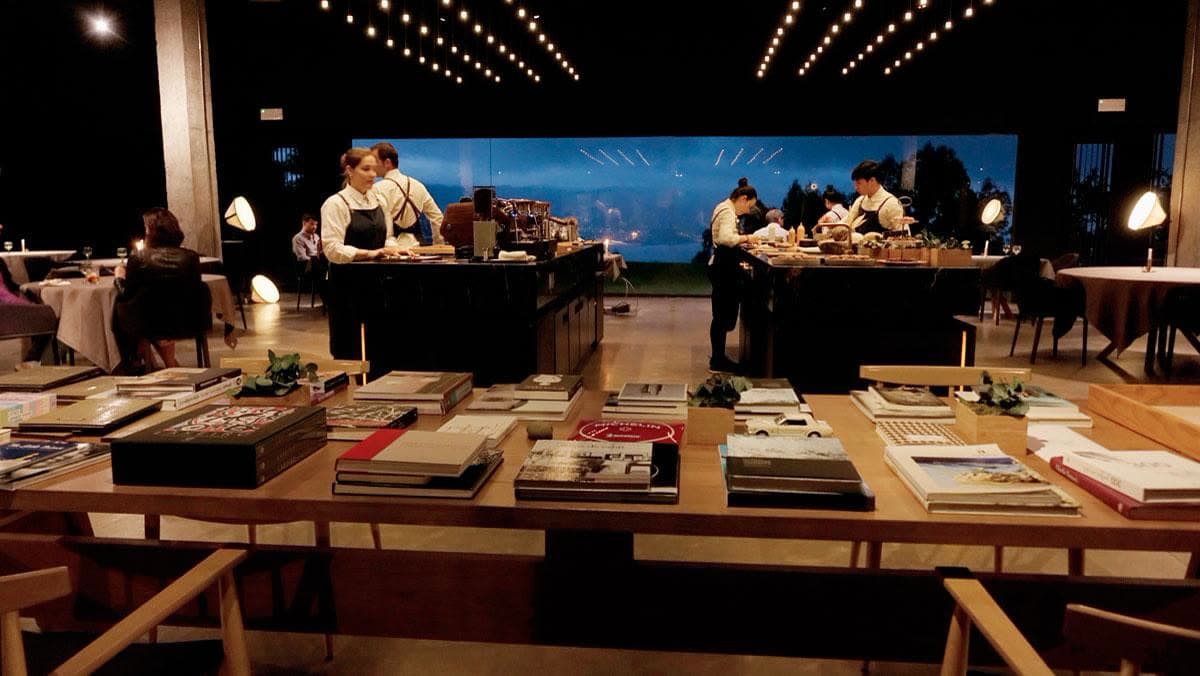
The dining room with the open kitchen behind, low festoon lights and an evening service set against the long western window.
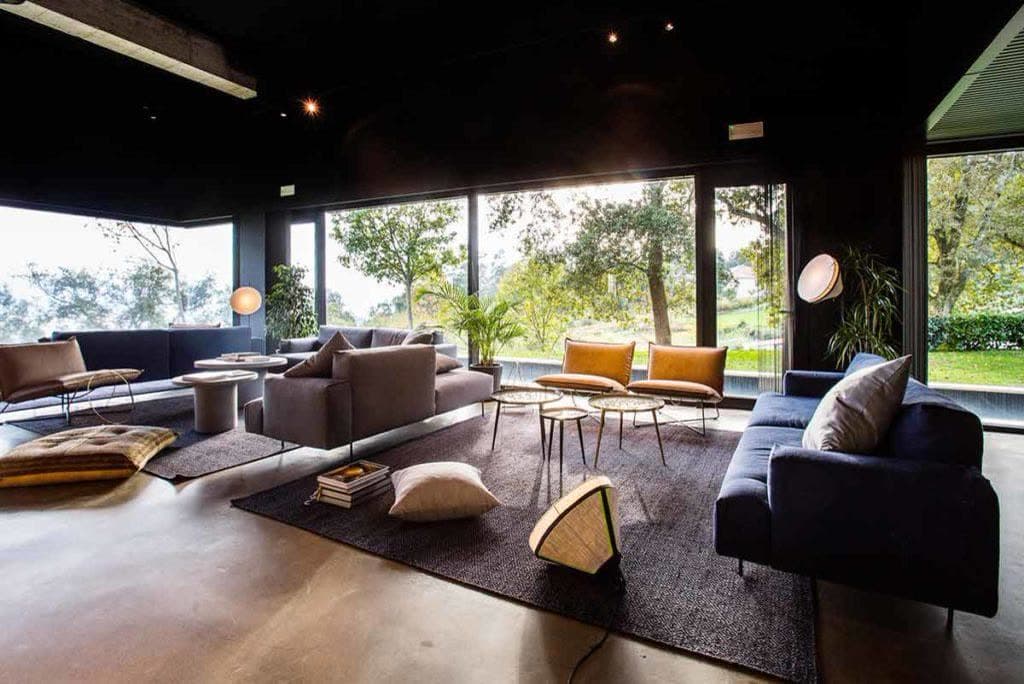
The lounge — low chairs and a tan leather lounger in front of full-height glazing onto a clearing of tall trees.

Return to

Le Carnet