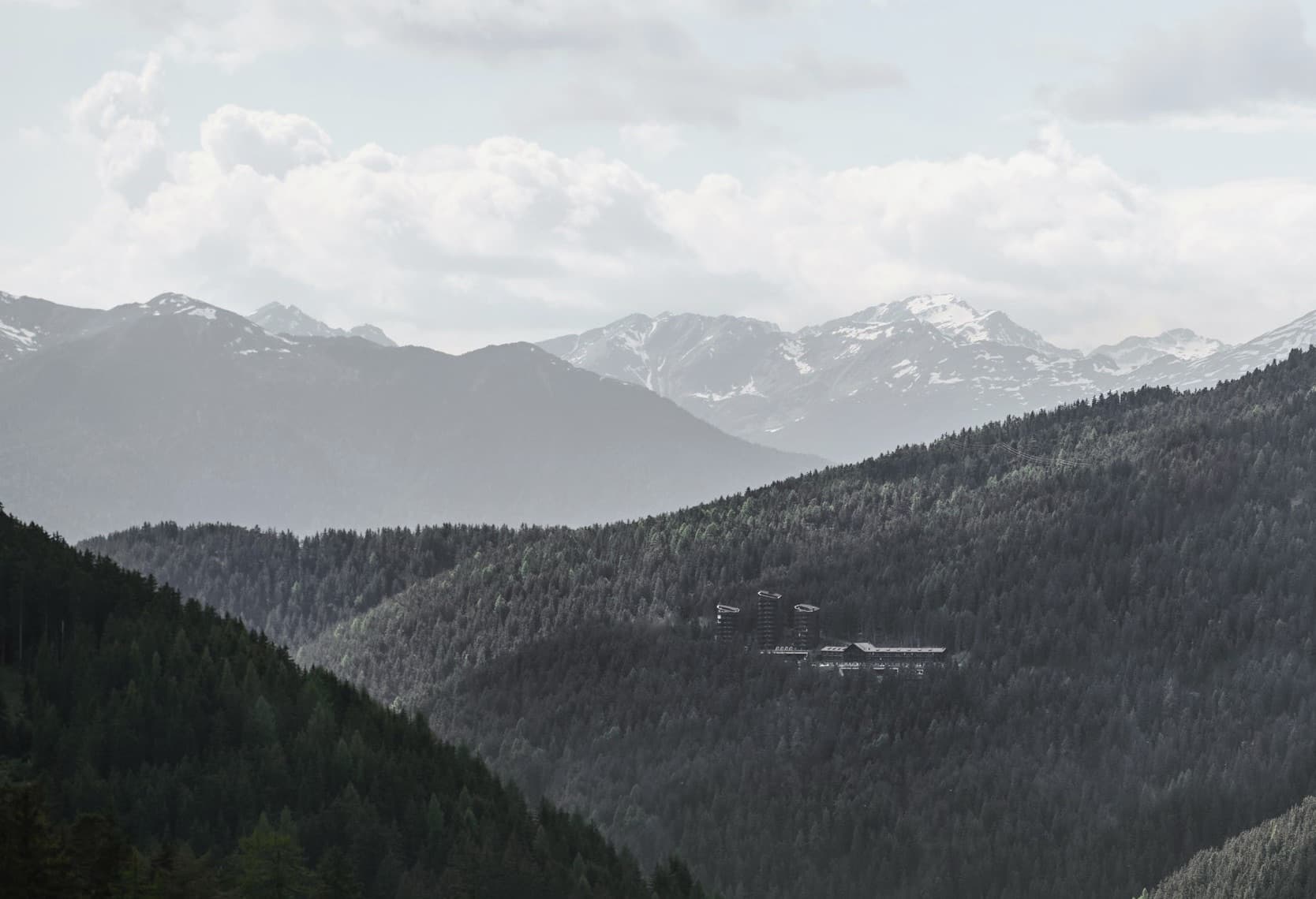
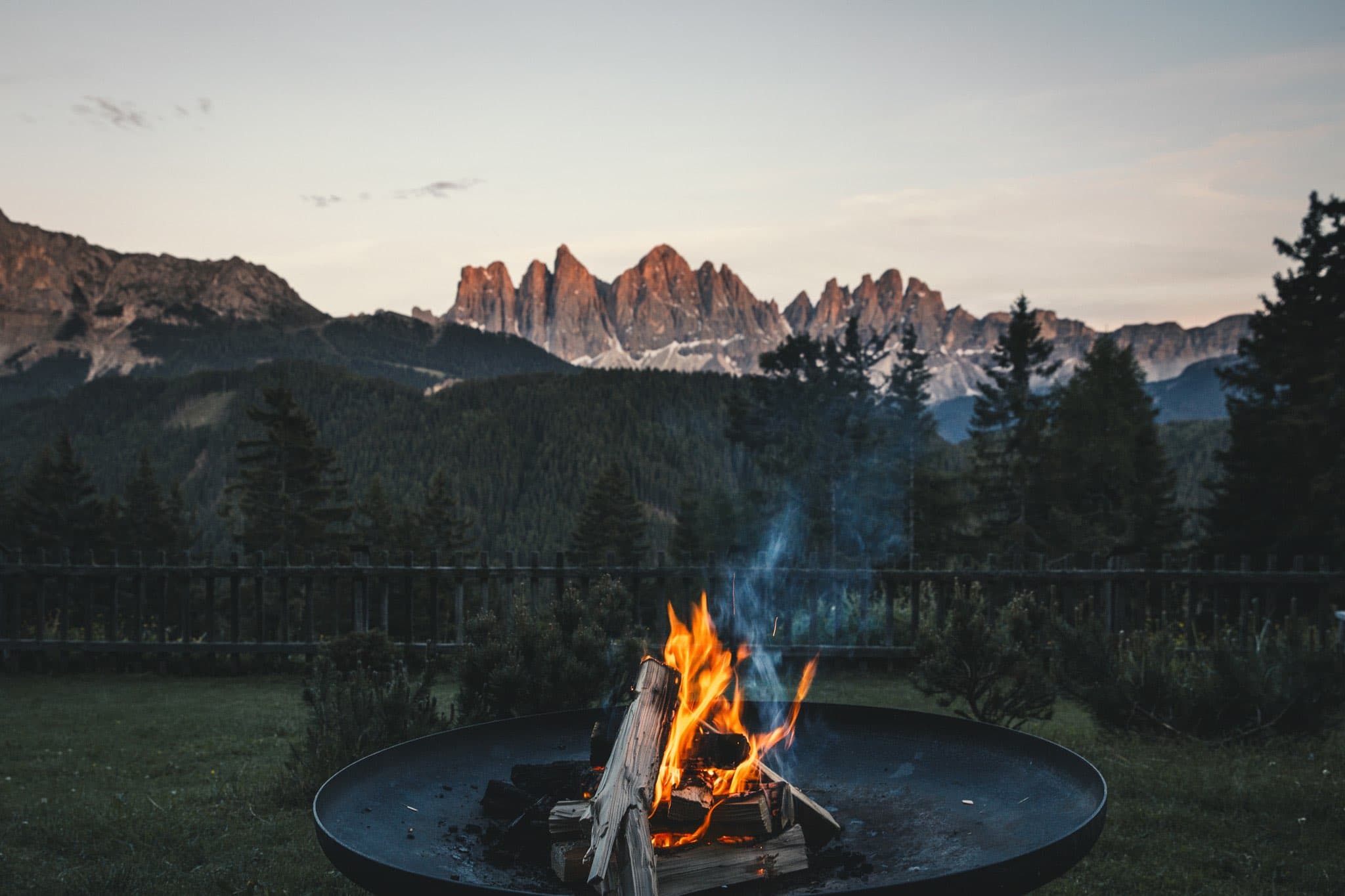
A 1912 sanatorium reimagined as a hotel at 1,800 metres on the south slope of Plose, set in old spruce and stone-pine forest above Brixen, with the Geisler peaks of the Dolomites…
La note
A turn-of-the-century mountain sanatorium chosen by doctors for its spring water, sun and air, kept on the same site by the Hinteregger family and reopened as a hotel that asks you to stop noticing the time. Three pine-clad towers stepped into the trees, a spa built around four trees and four elements, the Plose ski-in straight from the door.
From the editors · Vedere House
Les particularités
Setting
1,800 metres on the south slope of Plose, above Brixen — the Geisler peaks across the valley, ski-in / ski-out from the door
Style
A 1912 sanatorium and timber villa, kept and added to in 2020 with three pine-clad towers stepped into the slope
Rooms
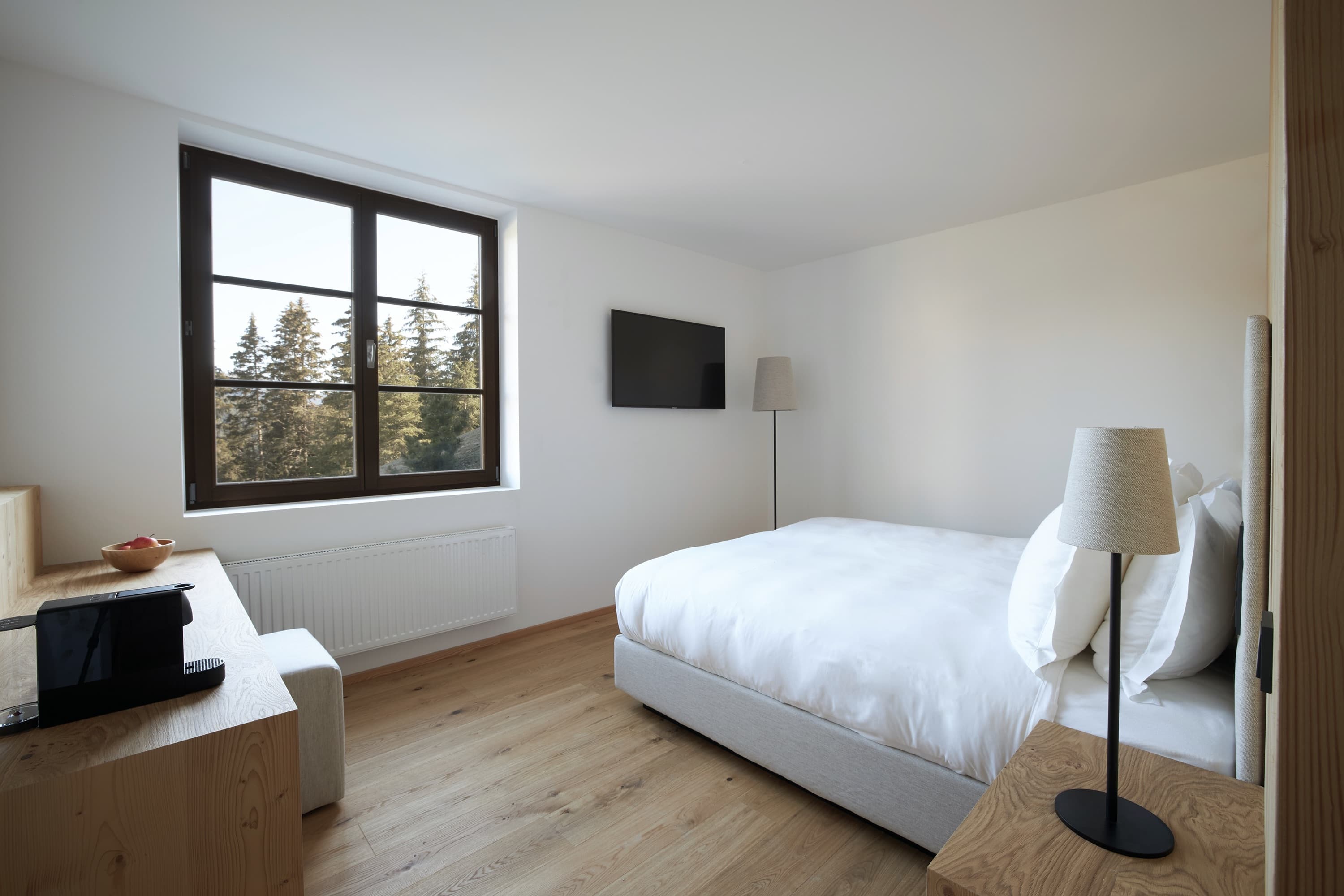
Rooms, suites and tower suites of thirty-five to two hundred square metres — plus a 1,200 m² private villa for up to ten
Kitchen
Forest Cuisine under Roland Lamprecht — herbs, nuts, berries and meadow produce close to the source
Spa
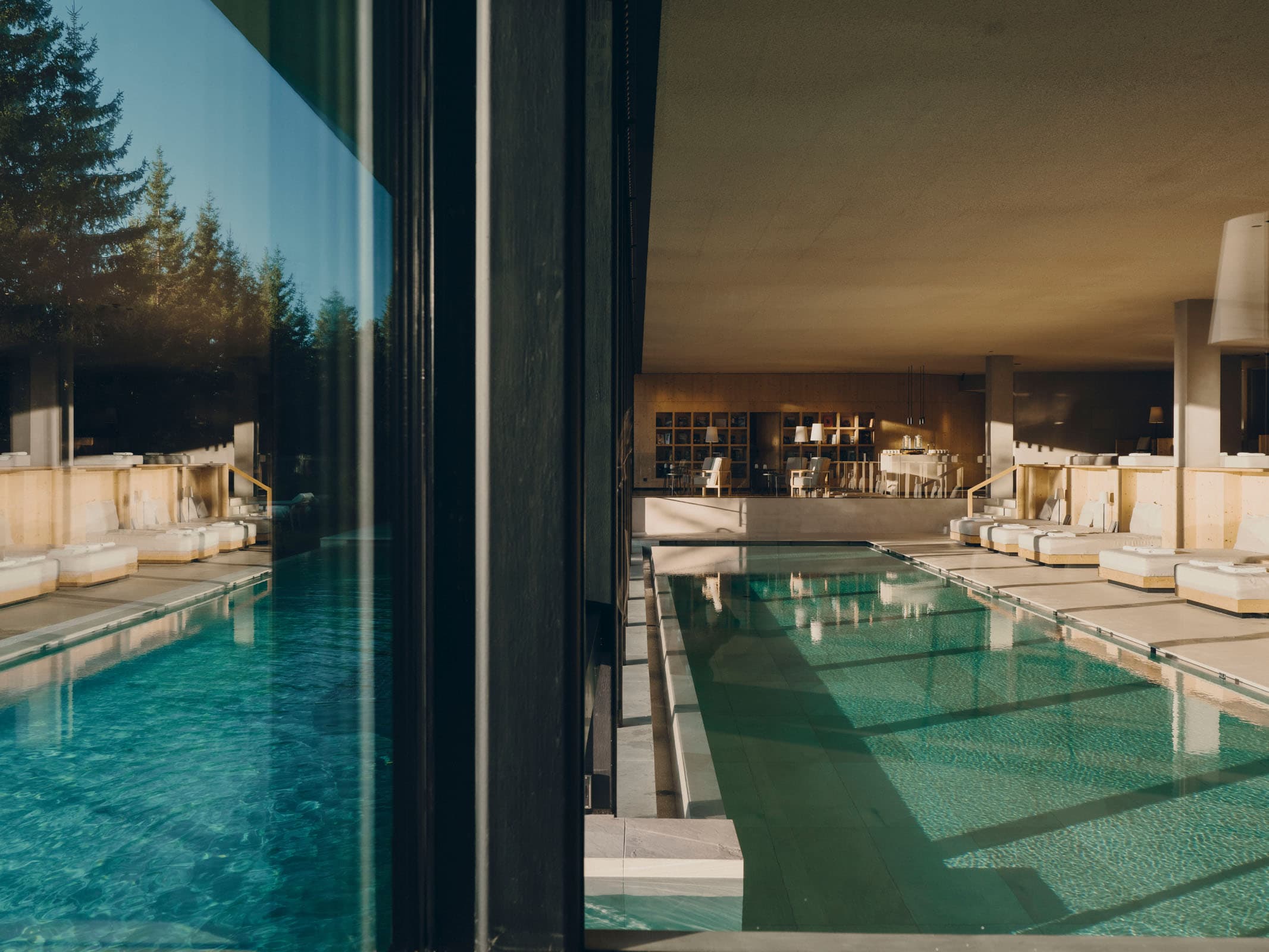
Built on four healing trees (mountain pine, spruce, larch, stone pine) and four elements; indoor and outdoor pools fed by Plose spring water
Best for
A long week of doing very little — winter on snow, summer in the trees
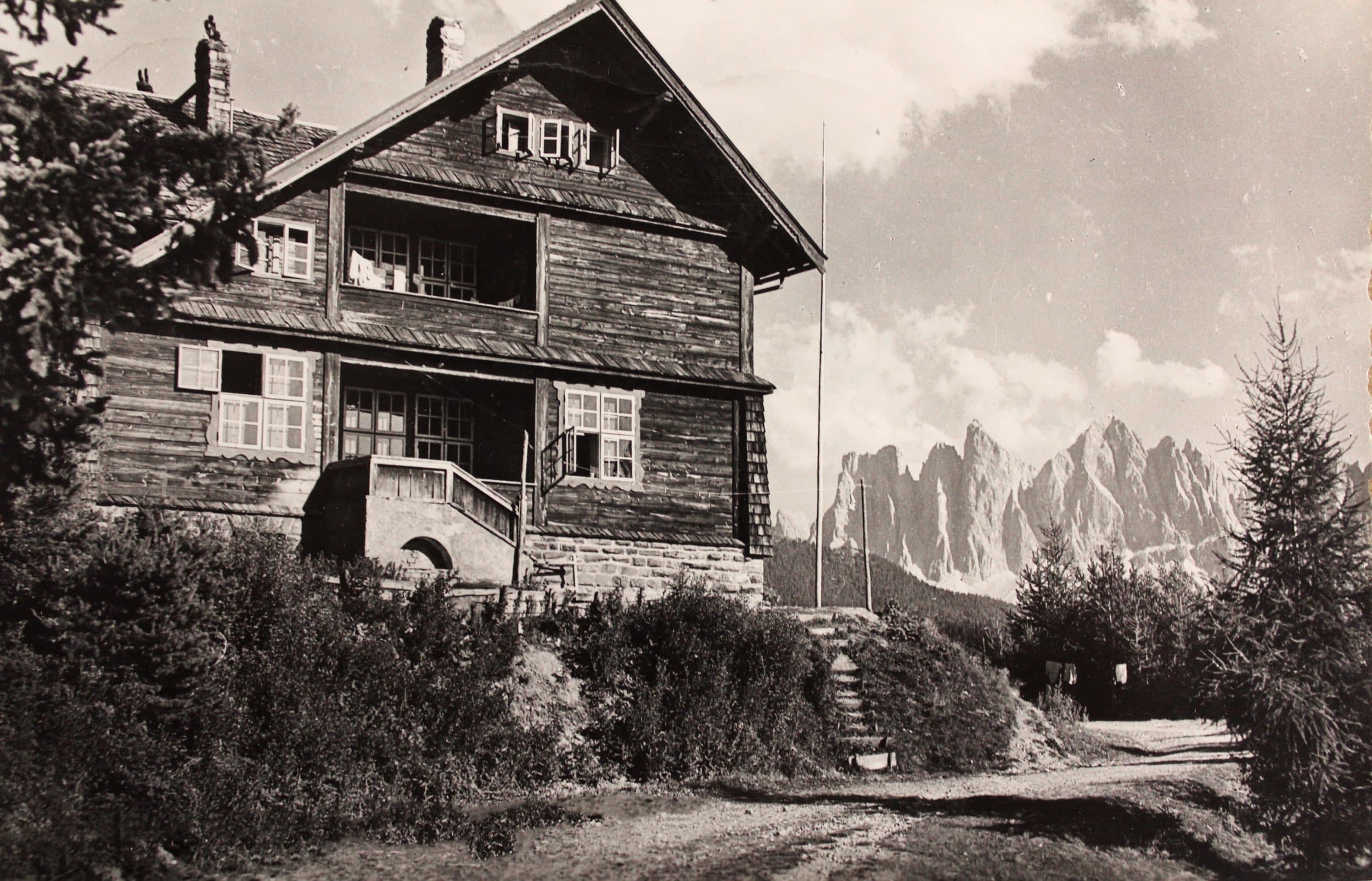
Forestis sits at one thousand eight hundred metres on the south slope of Plose, above Brixen, in a clearing of old spruce and stone pine that doctors first measured in 1912. Their conclusion was that the water from the Plose spring was extraordinarily pure, that the air arrived from the Adriatic and crossed mountain currents to lose its weight, that the sun held the slope longer than any other on this side of the range. A tuberculosis sanatorium followed — broad timber wings, low chalet roofs, a long terrace turned to the Geisler peaks across the valley. It went quiet in the middle of the twentieth century and the meadow stayed almost as it was.
“
The site was chosen by doctors. The hotel kept their reasoning intact.
”
Sur place
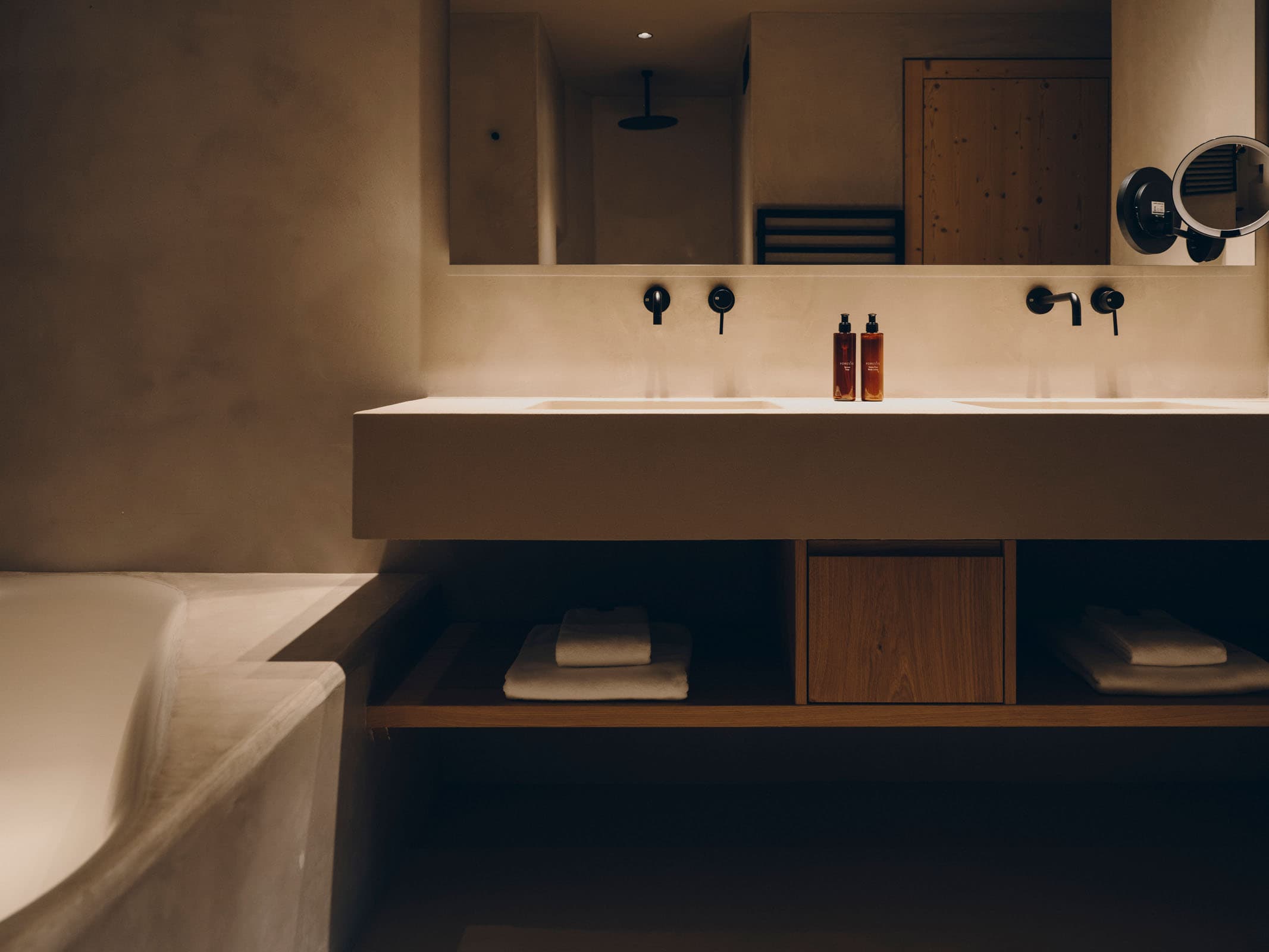
The Hinteregger family — Tyrolean hoteliers — bought the property and reopened it as a hotel under Stefan and Teresa Hinteregger after years of slow restoration. The original timber villa is still there at the lower end of the clearing, used now for the bar and the lounge fireplaces. The new wing slips into the slope behind it, three pine-clad towers stepped down through the trees, every room turned outward through floor-to-ceiling glass toward Sass de Putia and the Odle. A penthouse with a rooftop pool sits at the top of the towers; below it are tower suites, suites and rooms in the same pale wood and oat linen — and one private villa, set apart, for parties of ten.
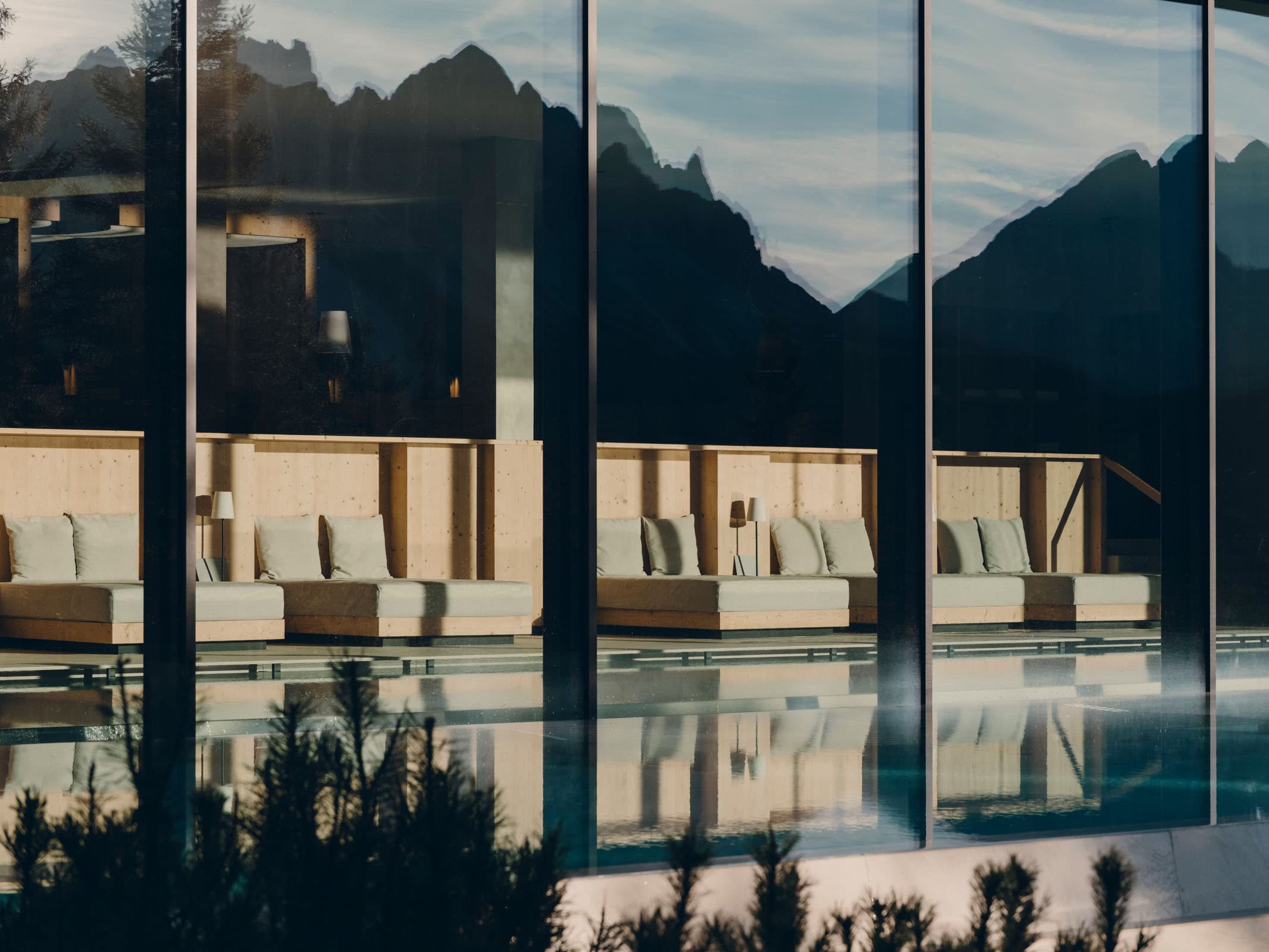
The spa is the heart of the house, laid out below the kitchen garden on the principle of four trees and four elements. The pools — one indoor and one outdoor, both fed by Plose spring water and lined in dolomite — meet at a glass wall so you can swim from one to the other under the open sky. In winter the door of the hotel opens straight onto the Plose ski-in, ski-out runs; in summer the Wyda room takes Celtic yoga at first light, and the larch terraces below the dining room are quiet through the long August afternoons. Three or four nights is enough to feel the altitude work; a week is what most guests give it.
Moments choisis
01
A sanatorium kept on its own bones
Doctors came up here in 1912 because the spring water from Plose was extraordinarily pure, the sky was usually clear, and the climate was unusually mild for the altitude. The sanatorium that followed — attributed to Otto Wagner, designed along medical principles of the day — sat on the same patch of meadow that holds the hotel today. The original timber villa is still there at the lower end of the clearing. Almost everything else was added behind it.
02
A spa built around four trees
The wellness rooms read as a single idea. Four trees — mountain pine, spruce, larch, stone pine — and four elements taken straight from the site itself — the Plose spring water, the mountain air, the long sun, the mild climate. The indoor pool runs out through plate glass to a heated outdoor pool, and the Geisler peaks are in front of you for the length of a slow lap. Three saunas in stone pine, a Wyda room for Druidic yoga at first light, and silence rooms held below the line of the trees.
03
Forest cuisine
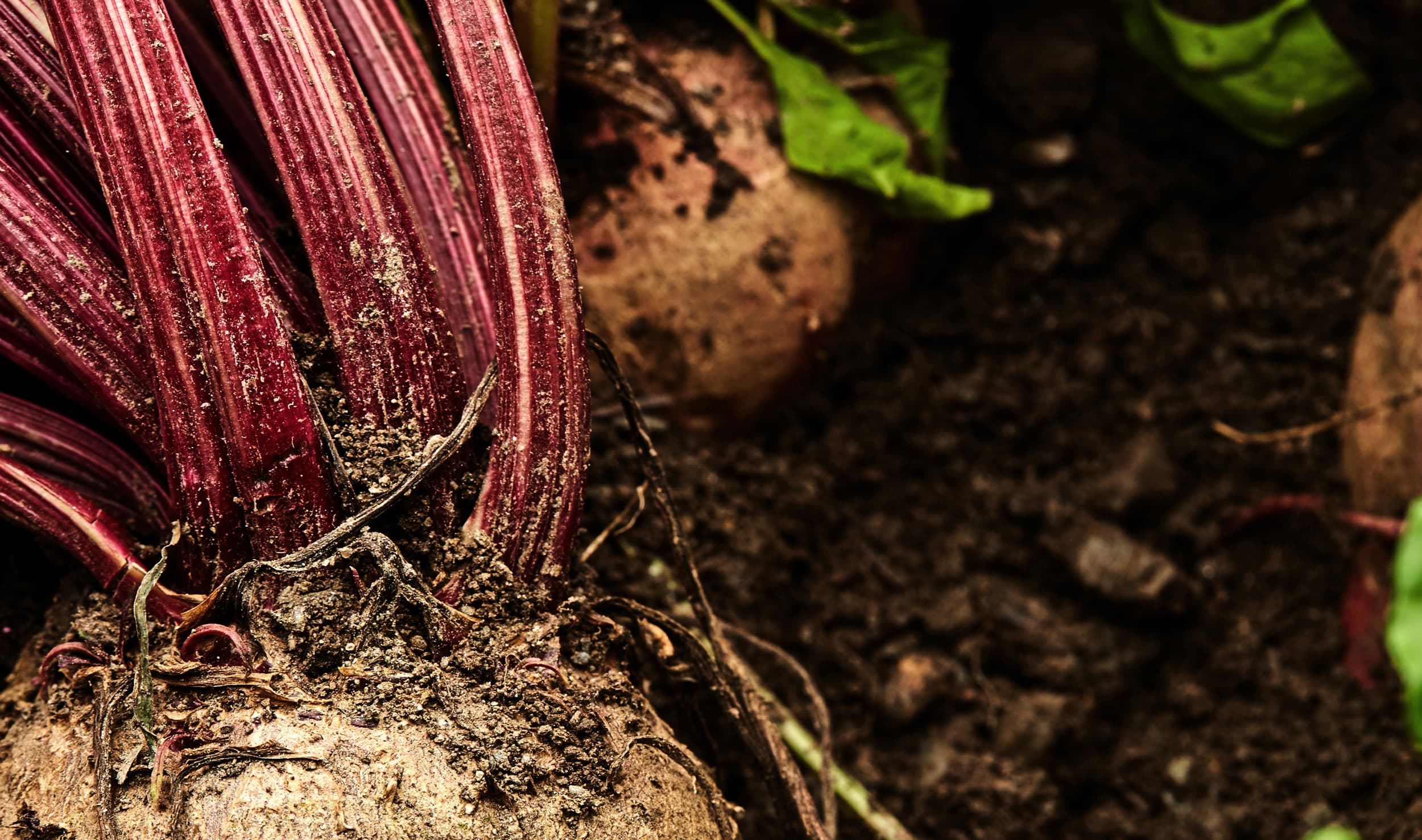
Roland Lamprecht runs the kitchen on the same logic the spa does — proximity. Herbs from the hillside garden, berries, nuts, meadow produce, stone-pine shoots, larch tips, things that ripen within a morning's walk. The dining room is set in a stepped line of upholstered booths against floor-to-ceiling windows; you eat with the larches in front of you and the Dolomites turning rose at the back of the room.